SMAC Venice (San Marco Art Centre) is an unlikely presence in the landscape around it. It occupies the very heart of the city on the water, in Piazza San Marco, the historic square built gradually as a physical expression of the Venetian Republic. The piazza is anchored by the Basilica and framed by palaces converted into libraries, museums, and cultural institutions. Together they trace a continuum from the treasures of the late medieval period and the Venetian Renaissance through to contemporary cultural centers, cafés, restaurants, galleries, and shops. Within these walls, iconic works by Tintoretto, Veronese, and others still make their presence felt.
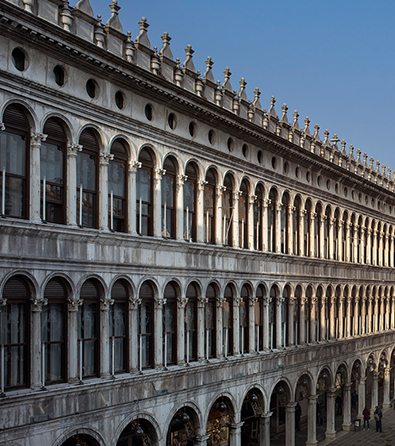
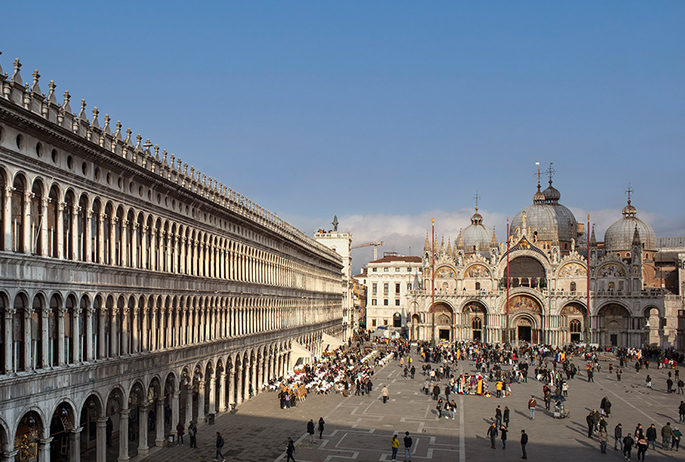 Procuratie facade. Courtesy of SMAC San Marco Art Centre. Photo: Mike Merkenschlager
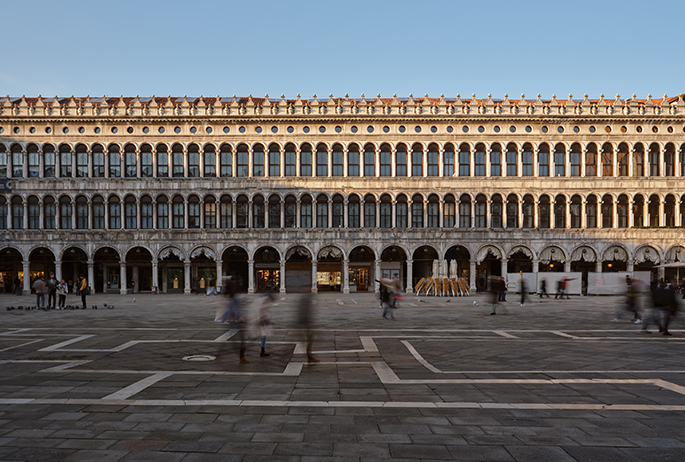 Procuratie facade. Courtesy of SMAC San Marco Art Centre
 Procuratie. Courtesy of The Human Safety Net
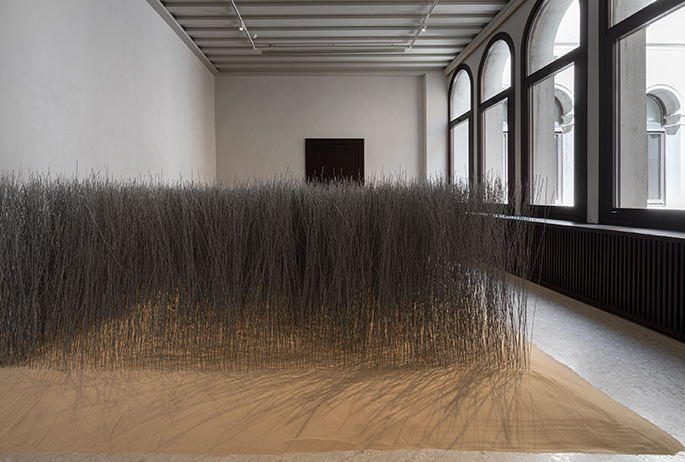
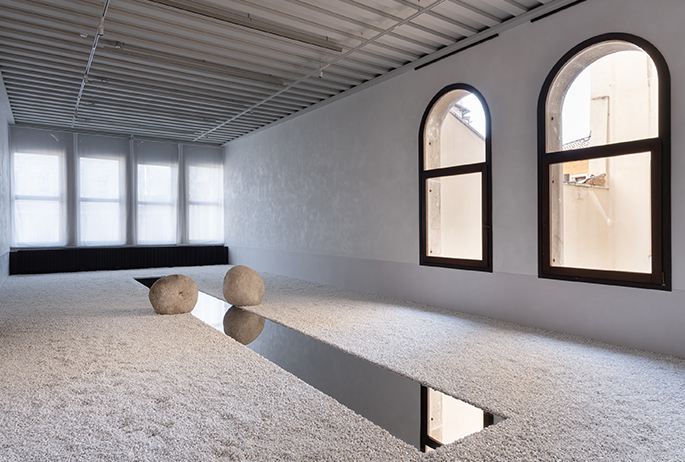
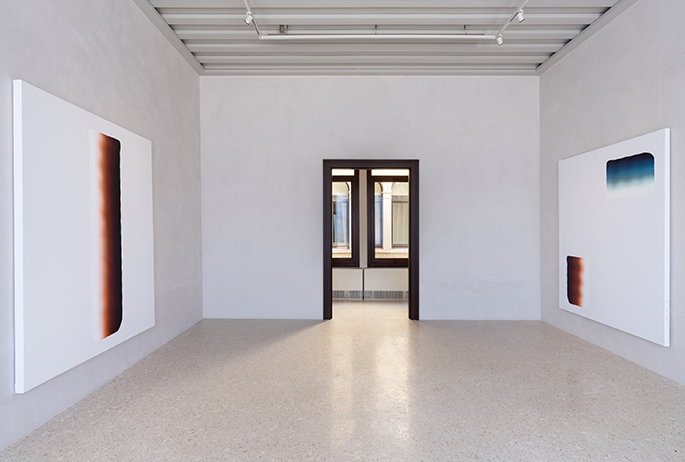
- Lee Ufan, exhibition view at SMAC Venice
- Lee Ufan, exhibition view at SMAC Venice
- Lee Ufan, exhibition view at SMAC Venice
- Lee Ufan, exhibition view at SMAC Venice
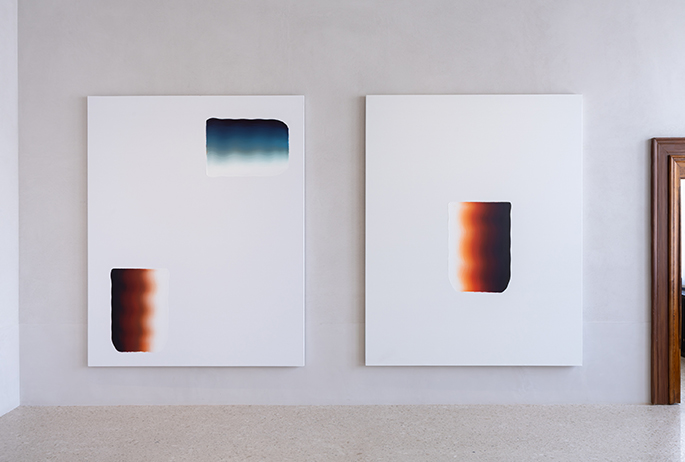
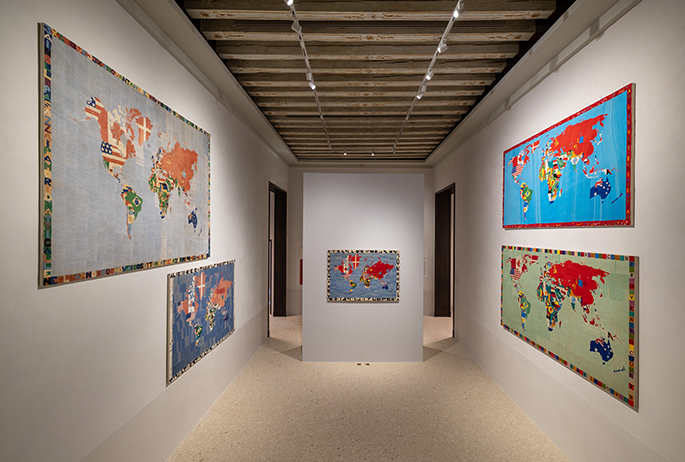
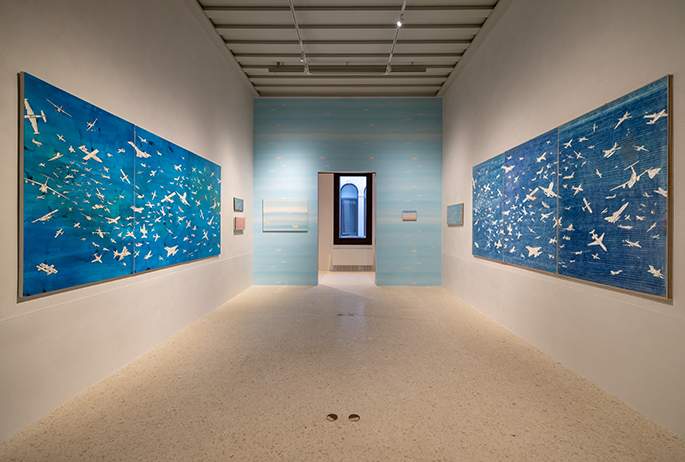
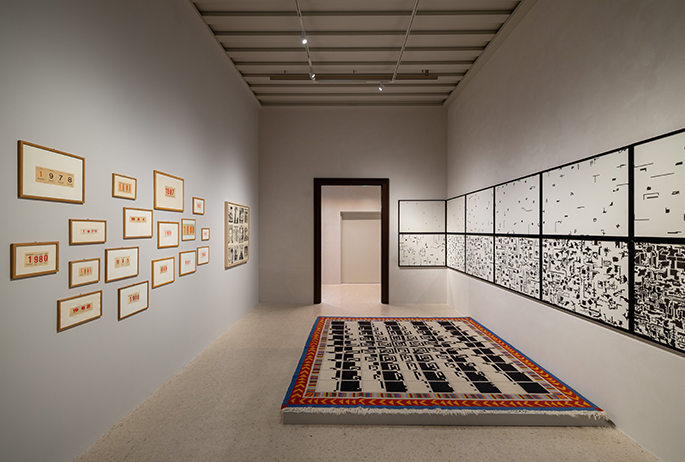
- Alighiero Boetti Installation views at SMAC Venice
- Alighiero Boetti Installation views at SMAC Venice
- Alighiero Boetti Installation views at SMAC Venice
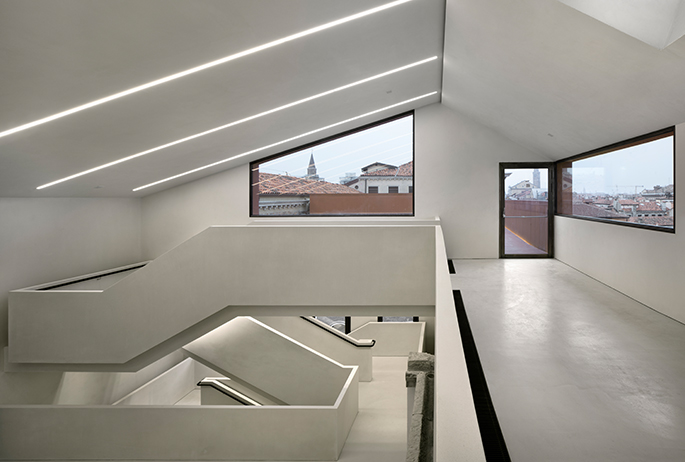
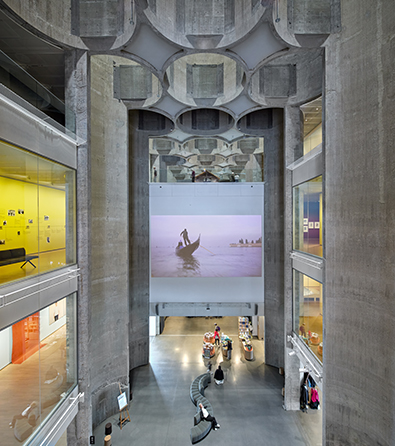
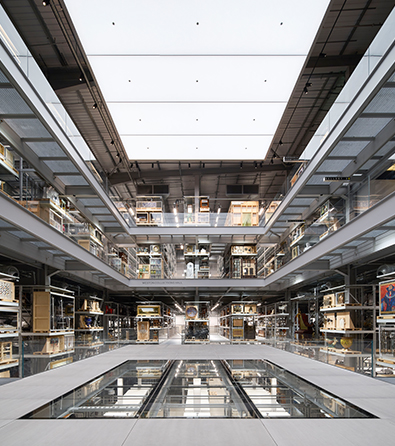
The historic Procuratie, which encloses the northern side of the square, underwent a major renovation by the renowned architect David Chipperfield. Chipperfield designed the interior around the institution’s concept, infusing the spaces with a bright, modernist character. The building’s functional spaces suit the center’s interdisciplinary spirit and its wide-ranging programming. Its program spans workshops, cultural gatherings, and exhibitions by artists working across visual art, design, fashion, film, craft, and architecture. The curatorial choices are uncompromising in their research and deliberate in their presentation. Close attention is paid to the immediate environment, inside and out, and to its cultural, social, and geopolitical dimensions. What emerges is coherent and purposeful, distinctly at odds with the dense, frenetic visual landscape of the neighboring public spaces, all competing for maximum attention.
The Lee Ufan exhibition is an official Collateral Event of the 61st Venice Biennale; the Boetti presentation runs in conjunction with it. Each responds in its own way to the International Exhibition’s theme, In Minor Keys, conceived with characteristic acuity by the late curator Koyo Kouoh.
Lee Ufan (b. 1936), the Korean-Japanese artist long associated with the Mono-Ha movement, presents a major solo exhibition organized by the Dia Art Foundation, a meditative body of work shaped by East Asian philosophical traditions. The exhibition spans early abstract paintings and experiential sculptures and installations, several of them made specifically for the space. Single brushstrokes, solitary or gathered into hovering compositions, move across the surface while affirming the presence of the void. Where stone meets iron plate, material and conceptual tensions take shape in layered arrangements that respond to the existing architecture. The space gives the works room to breathe, in a dialogue that is restrained and deeply respectful. It is an achingly beautiful exhibition, curated by Jessica Morgan, Director of the Dia Art Foundation.
By contrast, Alighiero Boetti (1940–1994), an esteemed and highly influential Italian artist who emerged after World War II, is the subject of an expansive exhibition curated by Elena Geuna. Tracing the legacy of his prolific career, it focuses on his exploration of text, color, the letter, duality, and global information systems. These threads find expression across many forms of work, including the series of geopolitical maps for which he is best known.
The two exhibitions constitute a deliberate counterpoint to the frenetic pace and visual excess associated with Piazza San Marco and the events of the 61st Art Biennale, proposing in their place an experience of lingering and contemplation.
Finally, make time to wander around the center’s various lounge areas, the library or café, and especially alongside the small round windows that overlook Piazza San Marco. If you are visiting with children, it is worth trying to book ahead for one of the workshops the center offers.