Tel Aviv is a cultural center where contemporary culture evolves alongside the city’s rich historical and multicultural heritage. The city features cutting-edge galleries, world-class museums, and a notable street art scene. From the Tel Aviv Museum of Art and the Design Museum Holon to the graffiti-lined streets of Kiryat Hamelacha and the historic landscape of Old Jaffa, Tel Aviv offers a diverse range of cultural experiences shaped by art, design, and local history. This guide also includes our top hotel recommendations in Tel Aviv.
To access our exclusive Tel Aviv Treasure Map, simply click the attached link and register as a member of our magazine. The map features every spot mentioned in this guide, plus bonus tips for top cafés, boutiques, and cultural venues. Once registered, you can save the map to your profile and plan your adventure with ease.
Planning your stay? Discover our top recommendations for boutique and design hotels in Tel Aviv, featured at the end of this guide. For travel gear, explore our urban travel essentials for exploring the city in style and our long flight essentials to make your journey more comfortable.
 Tel Aviv Museum of Art. Photo: Amit Geron
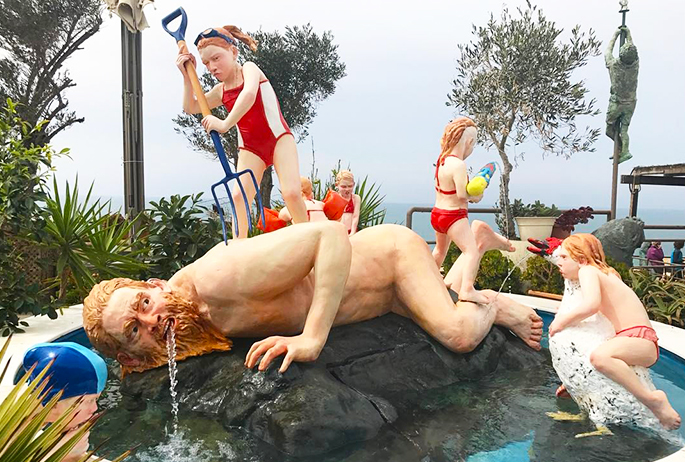
- Ilana Goore museum. Photo: Shachaf Dekel
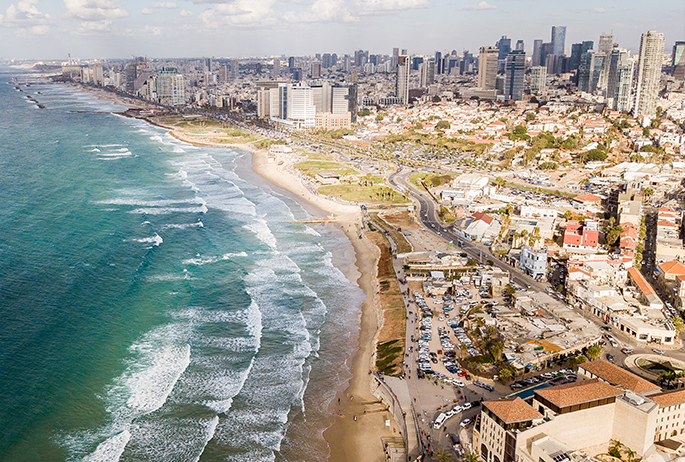
- Aerial View: Envato Elelemnts
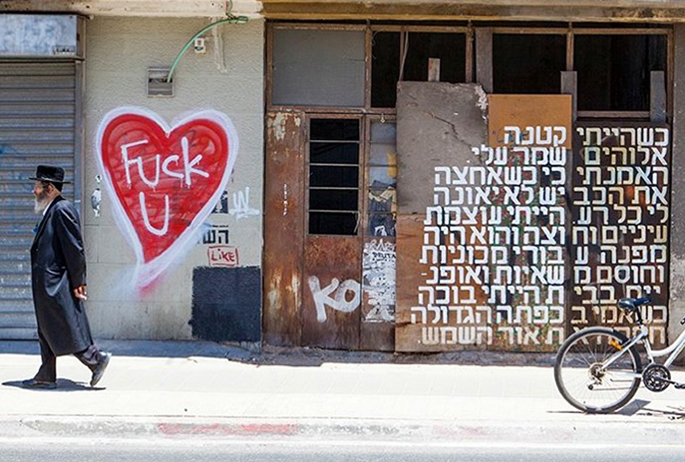
- Graffiti Art by Nitzan Mintz. Photo: Shachaf Dekel
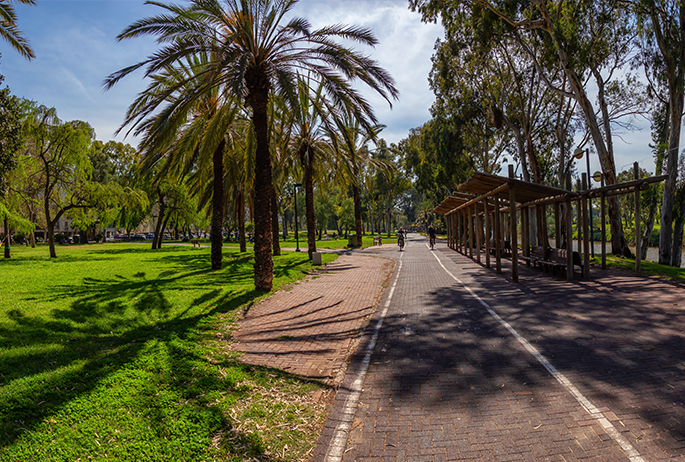
- Yarkon Park . Photo: Envato Elements
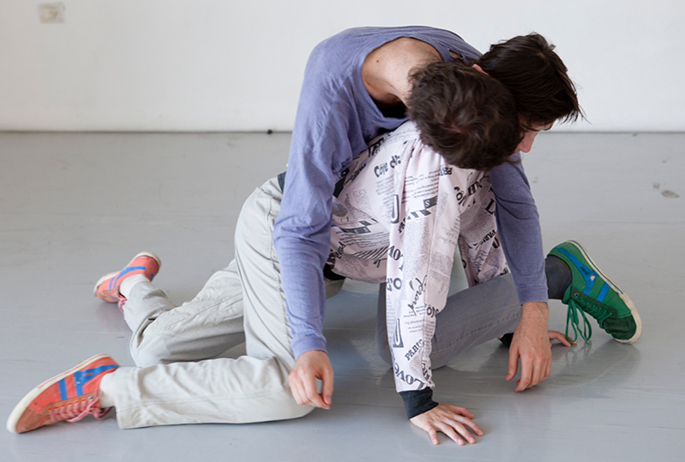
- Yasmeen Godder company. Photo: Shachaf Dekel
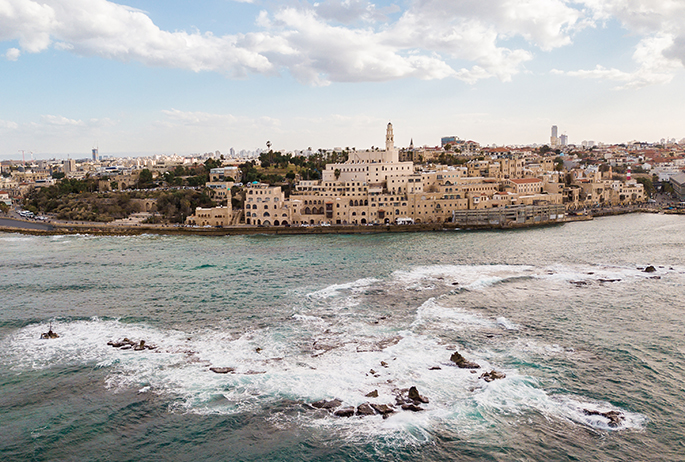
- Jaffa. Photo: Envato Elelments
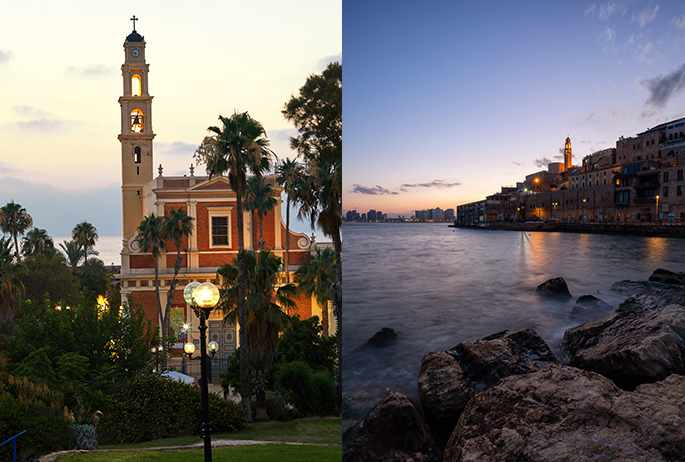
- St. Peter’s Church in Jaffa. Photos: Envato Elements
- Old Jaffa Port. Photo: Envato Elements
- Marina Tel Aviv. Photo: Shachaf Dekel
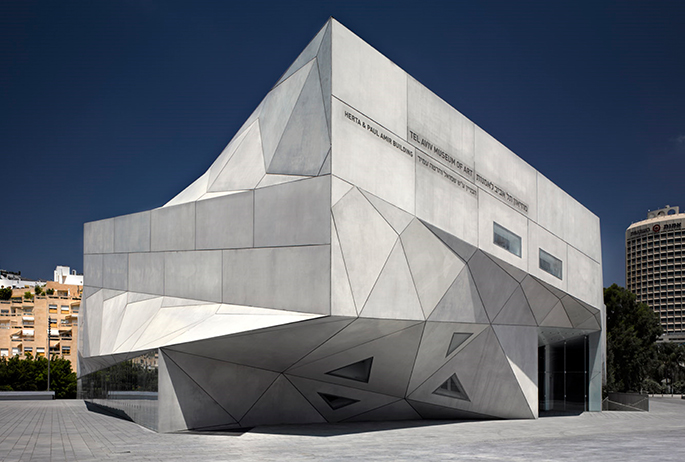
Tel Aviv Museum of Art (Shaul Hamelech Boulevard / Cultural District)
Why go: Israel’s leading institution for modern and contemporary art, housed in two architecturally significant buildings.
Tip: Check the rotating exhibitions and plan your visit around an artist talk or film screening for a richer experience.
The Tel Aviv Museum of Art presents a wide collection of Israeli and international modern and contemporary works across two main structures. The original main building from 1971 was designed by architects Dan Eytan and Yitzhak Yashar and is known for its clean geometry and spacious galleries. The Herta and Paul Amir Building, inaugurated in 2011 and designed by architect Preston Scott Cohen with project architect Amit Nemlich, is celebrated for its striking asymmetrical form and the use of natural light that enhances the viewing experience. Together, the two buildings create a dynamic architectural environment that complements the museum’s exhibitions. Beyond its permanent and rotating shows, the museum serves as an active cultural hub with educational programs, artist talks, theater productions, and film screenings, positioning it as a central space for artistic engagement in the city.
The Helena Rubinstein Pavilion for Contemporary Art, affiliated with the Tel Aviv Museum of Art, is a pivotal cultural landmark in Tel Aviv, Israel. This architectural gem is strategically located at the heart of the city, serving as a vibrant venue for contemporary art exhibitions. It showcases a wide array of works from both Israeli and international artists, spanning various mediums and artistic expressions.
Eretz Israel Museum (Ramat Aviv)
Why go: A leading cultural institution dedicated to the heritage, archaeology, material culture, and contemporary creativity of the Land of Israel.
Tip: Located in one of Tel Aviv’s northern neighborhoods rather than the city center, the museum is best reached by taxi or public transport.
The Eretz Israel Museum explores the history and culture of the Land of Israel through extensive collections in archaeology, ethnography, folklore, Judaica, cultural history, and contemporary art. The museum is organized as a campus of thematic pavilions that host both permanent and temporary exhibitions, allowing visitors to move between different periods, disciplines, and artistic expressions. Alongside its archaeological and historical displays, the museum regularly presents contemporary art exhibitions that engage with local identity, craft traditions, and broader cultural themes. With interactive displays, educational activities, workshops, and special events, the Eretz Israel Museum functions as a dynamic center for learning and exploration, attracting visitors who seek a deeper understanding of the region’s diverse heritage.
CCA Tel Aviv–Yafo (Kalisher Street / South Tel Aviv)
Why go: One of Israel’s most important nonprofit spaces for contemporary art, known for experimental exhibitions and bold interdisciplinary projects.
Tip: Check the schedule before you go. The CCA frequently hosts performances, talks, and screenings that are central to its program.
The Center for Contemporary Art in Tel Aviv–Yafo is a leading nonprofit institution dedicated to showcasing and supporting innovative contemporary art from Israel and around the world. It provides a platform for experimental practices across visual art, performance, video, sound, and new media, offering a space where artists can push boundaries and audiences can engage with cutting-edge work. Through exhibitions, performances, artist talks, screenings, and educational initiatives, the CCA fosters dialogue around contemporary artistic ideas and connects the local scene with the broader international art community.
ANU – Museum of the Jewish People (Tel Aviv University / Ramat Aviv)
Why go: A landmark museum telling the global story of the Jewish people through immersive, multimedia exhibitions that highlight identity, culture, and diversity.
Tip: Located on the Tel Aviv University campus in the northern part of the city; arrive by taxi or public transport and plan at least two hours for the visit.
ANU – Museum of the Jewish People presents a comprehensive and engaging narrative of Jewish life across centuries and continents. Formerly known as the Nahum Goldmann Museum of the Jewish Diaspora, the institution explores the multidimensional nature of Jewish identity through rich displays of artifacts, art, interactive installations, and multimedia presentations. Its exhibitions trace the diversity of Jewish traditions, languages, and communities worldwide, celebrating both shared heritage and regional distinctiveness. By weaving together past, present, and future, ANU serves as a dynamic center for education and dialogue, fostering a deeper understanding of Jewish resilience, creativity, and cultural contribution. The museum’s Hebrew name, meaning “we,” reflects its focus on collective experience and the interconnected story of Jews everywhere.
Art Galleries:
Tel Aviv’s art scene is a vibrant tapestry of creativity and innovation, with numerous galleries playing a pivotal role in showcasing contemporary art. These galleries are renowned for their diverse and dynamic exhibitions, representing a wide range of established Israeli artists. Each gallery has its unique flair and focus, contributing to the rich cultural landscape of the city. Whether you’re interested in cutting-edge contemporary works, avant-garde expressions, or socio-political themes, Tel Aviv’s galleries offer something for every art enthusiast.
Givon Art Gallery is one of Israel’s most established contemporary galleries, long recognized for shaping the country’s modern and contemporary art discourse; Hezi Cohen Gallery presents contemporary art programs with a focus on conceptual, multidisciplinary practices; Sommer Contemporary Art is a leading international gallery representing prominent Israeli and global artists across installation, painting, and new media; Inga Gallery supports experimental contemporary work with a particular emphasis on emerging artists; Chelouche Gallery showcases Israeli and international contemporary art across photography, video, installation, and new media; Noga Gallery is known for its refined program featuring mid-career and emerging contemporary artists; Zemack Contemporary Art presents figurative and narrative contemporary painting and photography with an international orientation; Parterre is an alternative independent project space for contemporary art and philosophy located in a historic Workers’ Housing building on Frishman 37, focusing on exhibitions with conceptual depth and relevance; Braverman Gallery is recognized for its strong program in video, installation, and research-based contemporary practices with an international outlook.
Artport Tel Aviv (South Tel Aviv)
Why go: One of Israel’s most dynamic centers for contemporary art, featuring a leading residency program and frequent exhibitions by emerging and international artists.
Tip: Check the schedule before you visit. Artport regularly hosts talks, screenings, and community events, many of which are free.
Artport Tel Aviv is a vibrant art center founded in 2011 and known for its influential annual residency program, which supports Israeli and international artists with studio space, stipends, and curatorial guidance. The on-site gallery presents rotating exhibitions, including the annual NonFinito show that highlights works developed during the residency year. Alongside its exhibitions, Artport runs artist talks, screenings, workshops, and exchange programs that connect the local art scene with international communities. This combination of residency, public programming, and experimental exhibition-making makes Artport one of the most engaging hubs for contemporary art in the city.
Genia Schreiber University Art Gallery (Tel Aviv University / Ramat Aviv)
Why go: A leading university gallery presenting thought-provoking contemporary art exhibitions by emerging and established artists.
Tip: Located on the Tel Aviv University campus in the northern part of the city; check the gallery’s schedule in advance, as exhibitions rotate frequently.
The Genia Schreiber University Art Gallery is a key cultural and educational institution within Tel Aviv University’s dynamic campus. Dedicated to contemporary art, it offers a platform for innovative exhibitions across a wide range of disciplines and themes, showcasing both emerging and established artists. The gallery plays an important role in fostering academic and public engagement, providing a space where students, artists, and visitors can experience and discuss new developments in contemporary artistic practice. Through its diverse programming of solo and group exhibitions, the gallery highlights the evolving landscape of contemporary art in Israel and beyond.
Liebling House – White City Center (Tel Aviv City Center / Dizengoff Square Area)
Why go: A beautifully restored Bauhaus landmark offering exhibitions, tours, and programs focused on architecture, conservation, and urban culture.
Tip: Join one of the guided tours to better understand the White City’s architectural heritage and the building’s conservation story.
The Liebling House, designed by architect Dov Karmi and completed in 1936, is one of the finest examples of International Style architecture in Tel Aviv’s UNESCO-listed White City. Today it functions as the White City Center, a hub dedicated to architecture, preservation, and urban research. Through exhibitions, workshops, professional training, and community programs, the Liebling House fosters dialogue around modernist heritage and contemporary urban challenges. Its restored spaces, rooftop views, and design-focused activities make it an essential stop for anyone interested in Tel Aviv’s architectural identity.
Kiryat Hamelacha art scene:
If you’re looking for a vibrant art scene in Tel Aviv, head to Kiryat Hamelacha. The area is filled with street art, galleries, and local artists’ studios. For the best experience, visit on a Saturday morning when the local businesses are closed, giving you the freedom to explore the urban art scene. Take a walk around the building to check out the ever-changing street art, then head inside to see the artists at work in their studios. They’re always happy to talk to visitors, so don’t be afraid to say hi. And if you need a break, stop by the local bar-café Ala Rampa or one of the many galleries in the area.
Rozenfeld Gallery is one of Tel Aviv’s long-established contemporary art spaces, representing significant Israeli artists across generations; Dvir Gallery is known for its international program of conceptual and multidisciplinary contemporary art; RawArt Gallery promotes emerging Israeli and international artists across painting, photography, sculpture, and video; Ta Tarbut is a municipal cultural center in the heart of Kiryat Hamelacha that hosts exhibitions, learning programs, and community-based artistic activities; Benyamini Contemporary Ceramics Center is a major institution dedicated to ceramics and material culture, offering exhibitions, workshops, lectures, and professional training; Maya Gallery is a non-profit public-interest gallery that showcases emerging artists and supports new voices in contemporary art.
Old Jaffa:
If you’re looking for a unique blend of multicultural experiences, history, and trendy vibes, make sure to visit Old Jaffa. This bustling traditional flea market is situated right next to incredible designer shops, cool cafes, and excellent restaurants. But don’t let the chic exterior fool you – this spot is far from a tourist trap. In fact, it’s a beloved culture and nightlife hub for locals too.
Ilana Goor Museum (Old Jaffa / Mazal Dagim 4)
Why go: A distinctive art museum that is also the home and personal collection of Ilana Goor, combining sculpture, design, ethnographic objects, and global artworks inside a restored historic building.
Tip: Be sure to visit the rooftop for its sculptural installations and panoramic views over Old Jaffa and the Mediterranean.
The Ilana Goor Museum is housed in an 18th-century stone building on a hill in Old Jaffa. Since opening in 1995, it has displayed more than 500 works collected or created by Ilana Goor, ranging from contemporary sculpture and painting to furniture, jewelry, and traditional art from different cultures. The building’s layered history and atmospheric rooms create an intimate setting that reflects Goor’s eclectic artistic vision, making the museum one of Jaffa’s most memorable cultural experiences.
Magasin III Jaffa (Old Jaffa / Near the Port)
Why go: The Jaffa branch of Magasin III Museum and Foundation for Contemporary Art in Stockholm, presenting curated exhibitions by leading international and Israeli artists.
Tip: The space is not open every day, so it is important to check opening hours and the current exhibition schedule before you visit.
Magasin III Jaffa is the Tel Aviv–Jaffa extension of the Stockholm-based Magasin III, created to strengthen cultural exchange between Israel and the international contemporary art world. Set in a restored building near the historic Jaffa Port, it offers a focused program of contemporary art exhibitions that highlight innovative practices and thoughtfully curated installations. Its intimate setting and global perspective make it one of the most compelling contemporary art venues in Jaffa.
Na Laga’at Center (Old Jaffa / Port Area)
Why go: A cultural and social-impact center where deaf, blind, and deaf-blind professionals lead theater, dining, and workshops designed to create meaningful encounters around accessibility and inclusion.
Tip: Activities operate on a scheduled basis and the venue is not open every day, so check performance times and restaurant availability before planning your visit.
Na Laga’at, which means “Please Touch” in Hebrew, is a non-profit cultural center in Jaffa dedicated to fostering direct, respectful engagement between people with and without disabilities. The center includes the Na Laga’at Theater, where productions are performed by deaf, blind, and deaf-blind actors, the BlackOut Dark Restaurant, which offers a full dining experience in complete darkness guided by blind or visually impaired waiters, and a workshop and event space focused on communication and shared learning. Through sensory dining, inclusive performances, and community-oriented programming, Na Laga’at offers visitors a thoughtful and human-centered experience that highlights the importance of accessibility and mutual understanding.
Music Venues:
Tel Aviv is a city with a vibrant music scene, and there are plenty of venues to explore. Barby is the most popular live music spot, featuring both local and international musicians and bands. With a lively atmosphere and a varied schedule of events, it’s a great destination for music lovers. For a unique and eclectic experience, check out Teder, which offers a mix of live music, DJ sets, film screenings, second-hand markets, and special guests. Ozen Bar (Haozen) is another excellent option for live music, featuring a diverse range of local performers from rock and alternative to funk, hip-hop, and groove. Meanwhile, Levontin 7 is a popular music bar that caters to music lovers with live music most nights, showcasing local musicians.
Theater and dance venues:
Tel Aviv boasts a thriving theater and contemporary dance scene, with numerous options to choose from. Repertory theaters like Cameri Theatre, Beit Lessin Theatre, and Gesher Theatre offer a wide range of productions, from plays to musicals. The Habimah Square Cultural Complex is home to several cultural institutions, including the national theater of Israel, Habima Theatre, and the Charles Bronfman Auditorium. It’s a fantastic place to enjoy a variety of cultural events, including theater, music, and art exhibitions.
Tmu-na Theater is a pioneering fringe theater and performance art center that showcases experimental and avant-garde acts, while the Suzanne Dellal Centre is a premier destination for contemporary dance in Israel, offering diverse performances, events, programs, and workshops. The Centre is home to the Batsheva Dance Company and Inbal Dance Theatre.
If you’re looking for something unique, don’t miss a performance at 209 Shelter (Miklat 209). This performance art platform was founded by the famous performance artist Tamar Raban for the Advancement of Interdisciplinary Art in Israel. For lovers of off-off Broadway, check out the independent gallery and theater space of The Hanut 31 Theater & Gallery.
Beyond Tel Aviv:
Design Museum Holon (Holon / Eastern Cultural District)
Why go: Israel’s leading museum dedicated entirely to design, housed in an iconic building created by Ron Arad with Bruno Asa.
Tip: The museum is located in Holon, just south of Tel Aviv, so plan your visit with travel time in mind and check the rotating exhibition schedule in advance.
The Design Museum Holon is the country’s first major institution devoted exclusively to the field of design. Situated in Holon’s vibrant cultural district, the museum is internationally recognized for its striking architectural structure, planned and designed by Israeli architect and industrial designer Ron Arad in collaboration with architect Bruno Asa. The building’s signature curving steel ribbons frame a series of galleries that host exhibitions spanning fashion, product design, material innovation, technology, and visual culture. Through its exhibitions, public programs, and educational initiatives, the museum offers an engaging and forward-looking perspective on contemporary design in Israel and beyond.
MoBY – Museums of Bat Yam (Bat Yam / City Center)
Why go: A three-museum complex dedicated to contemporary art, community engagement, and cultural research, anchored by the Bat Yam Museum of Art.
Tip: Located in Bat Yam, just south of Tel Aviv–Jaffa, so plan extra travel time and check which of the three buildings currently has active exhibitions.
MoBY – Museums of Bat Yam is a cultural complex made up of three institutions that together form one of the region’s notable contemporary art centers. The main building, the Bat Yam Museum of Art, focuses on contemporary artistic practices and hosts exhibitions, community programs, academic conferences, and public events. Through its multidisciplinary approach and commitment to collaboration, MoBY offers an accessible and engaging platform for contemporary art within the greater Tel Aviv metropolitan area.
Design Terminal (Bat Yam / City Center)
Why go: A contemporary design hub that brings together exhibitions, studios, and workshops, supporting emerging designers and creative experimentation.
Tip: Located in Bat Yam, south of Tel Aviv, so check opening hours and current programs before visiting, as workshops and exhibitions change regularly.
Design Terminal is an innovative design space in the heart of Bat Yam that combines an exhibition venue with active studios and maker spaces for designers. It hosts contemporary design exhibitions, hands-on workshops, and professional programs that encourage experimentation and collaboration. With its focus on material exploration and creative process, Design Terminal offers an accessible and stimulating environment for anyone interested in the evolving landscape of Israeli design.
With the interactive map below, you can compare all available accommodation options in the city and find the best prices from a variety of leading providers.
Are you planning a trip to Israel and seeking the best cultural gems, from its northernmost points to its southernmost corners? Look no further! Explore the comprehensive Culture Treasure travel guide to Israel for insider tips on top galleries, museums, and theaters in the country’s most unexpected destinations.