Israel is a land where ancient history meets contemporary culture. From the winding alleys of Jerusalem to the vibrant art scenes of Tel Aviv and the tranquil beauty of the Negev Desert, the country offers a rich mosaic of artistic, historical, and cultural experiences. Whether you’re exploring world-class museums, discovering archaeological wonders, or uncovering hidden galleries and performance spaces known only to locals, Israel promises an inspiring journey for culturally curious travelers.
To access our exclusive Israel Treasure Map, simply click the attached link and register as a member of our magazine. The map features every spot mentioned in this guide, plus bonus tips for top cafés, boutiques, and cultural venues. Once registered, you can save the map to your profile and plan your adventure with ease.
Planning your stay? Discover our top recommendations for boutique and design hotels in Israel, featured at the end of this guide. For travel gear, explore our urban travel essentials for exploring the country in style, and our long flight essentials to make your journey more comfortable.
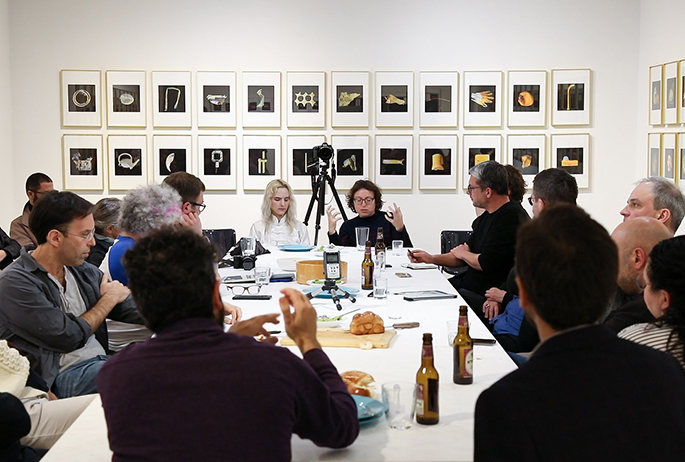
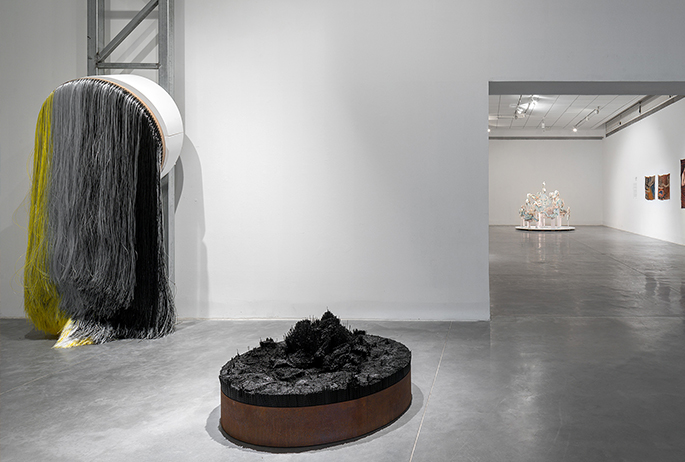
 Artists’ Residence Herzliya. Photo: Dor Even Chen
- Artists’ Residence Herzliya. Photo: Dor Even Chen
- Artists’ Residence Herzliya. Photo: Dor Even Chen
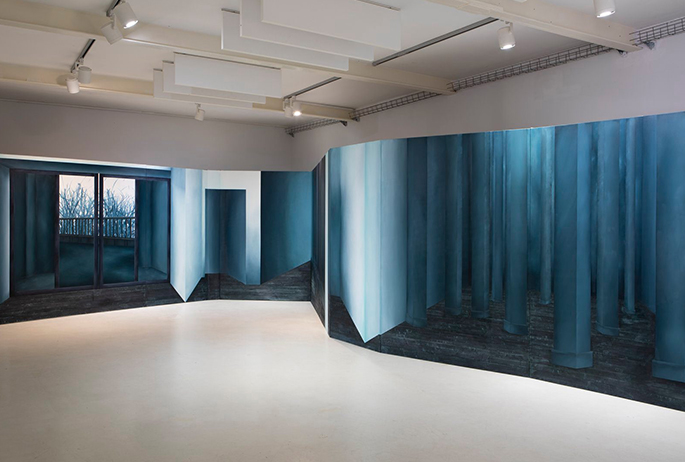
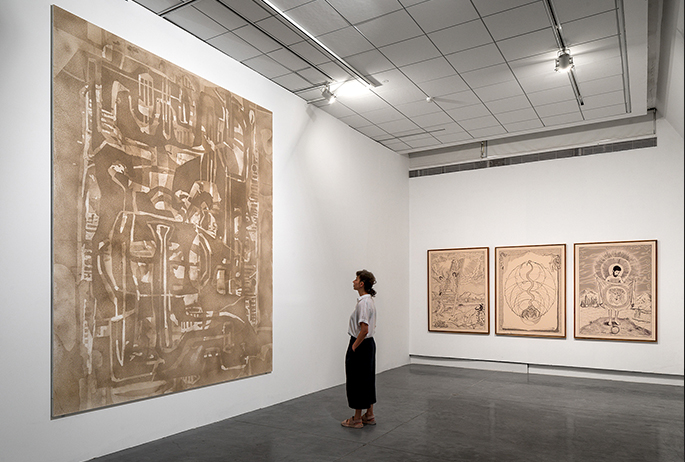
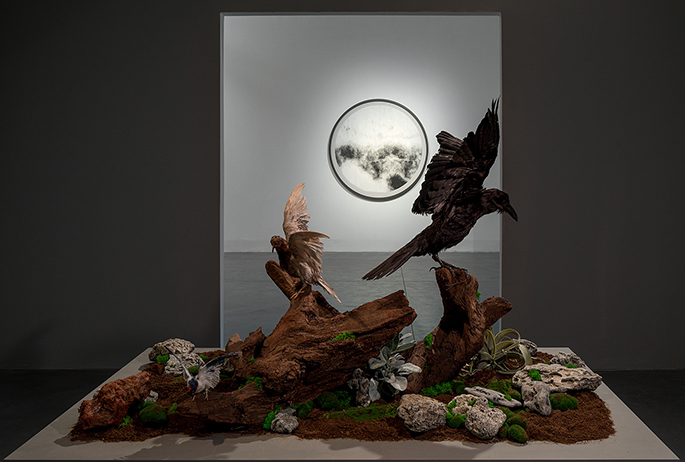
- Petach Tikva Museum of Art. Photo: Elad Sarig
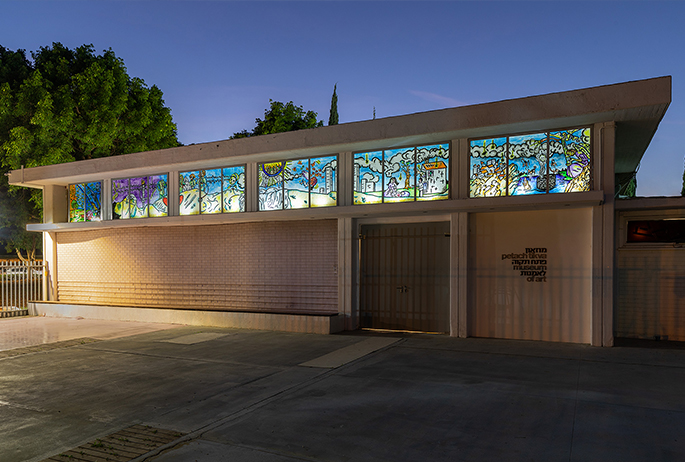
- Petach Tikva Museum of Art. Photo: Elad Sarig
- Petach Tikva Museum of Art. Photo: Elad Sarig
- Petach Tikva Museum of Art. Photo: Elad Sarig
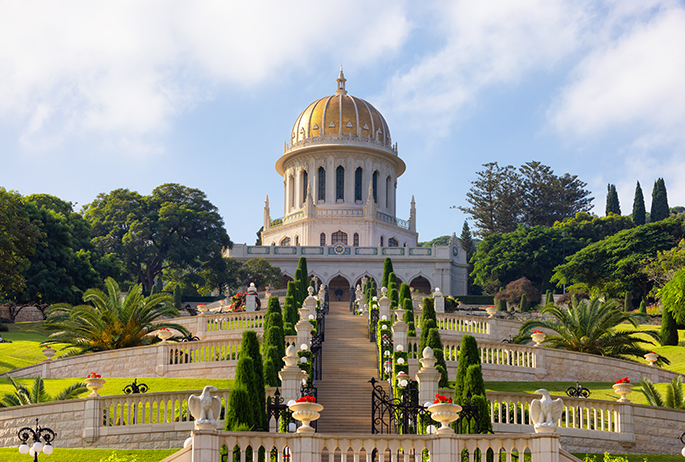
- Bahai gardens
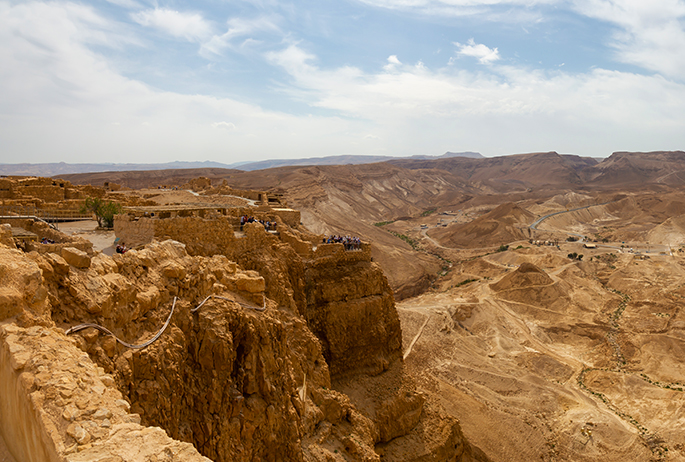
- Masada National Park
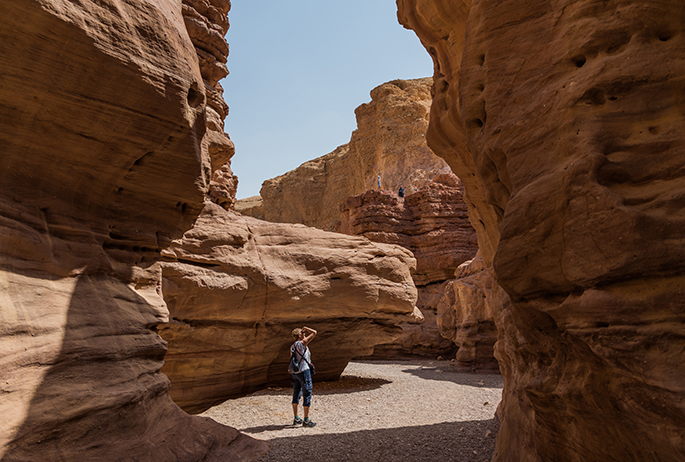
- Negev desert
NORTH OF ISRAEL
Haifa Museum of Art (Wadi Nisnas / Downtown Haifa)
Why go: One of Israel’s major art institutions, presenting contemporary Israeli and international art in a landmark 1930s building.
Tip: Located in the heart of Wadi Nisnas, combine your visit with a walk through the neighborhood’s markets and street art.
The Haifa Museum of Art, established in 1951, is Israel’s third-largest art museum and a key destination for contemporary art. Housed in a historic 1930s building overlooking downtown Haifa, the museum presents a dynamic program of exhibitions featuring both Israeli and international artists. Its collection includes around 7,000 works, with a strong emphasis on contemporary Israeli art. Through its rotating exhibitions, educational programs, and engagement with the surrounding community, the museum offers a meaningful introduction to Haifa’s cultural landscape.
Baha’i Gardens (Haifa / Mount Carmel)
Why go: A UNESCO World Heritage Site known for its terraced gardens, perfect symmetry, and sweeping views over Haifa and the Mediterranean.
Tip: Entry is free, but access is limited to designated paths and guided tours, so check visiting hours before you arrive.
The Baha’i Gardens span the northern slope of Mount Carmel and form one of Israel’s most iconic and tranquil landmarks. Designed as nineteen immaculate terraces that descend toward Haifa’s German Colony, the gardens combine geometric landscaping, fountains, and Mediterranean vistas to create a serene environment central to the Baha’i faith. With their exceptional design and panoramic viewpoints, the Baha’i Gardens offer one of the most memorable cultural and architectural experiences in the country.
Beit Ha’Gefen Arab-Jewish Culture Center (Haifa / Wadi Nisnas)
Why go: A multicultural center founded in 1963 to promote dialogue and shared cultural life between Arab and Jewish communities through art, theater, and community programming.
Tip: Events and exhibitions change throughout the year, so check the current schedule before your visit.
Beit Ha’Gefen is a nonprofit cultural institution dedicated to creating meaningful connections among Haifa’s diverse communities. The center includes an art gallery, an interdisciplinary space called The Third Space, an Arabic-language theater, and multiple educational and community initiatives. It also hosts major cultural events such as the Holiday of Holidays festival, offering a platform for encounters through contemporary art, performance, and shared cultural activities.
Pyramida – Center for Contemporary Art (Haifa / Wadi Salib)
Why go: A contemporary art center that brings together artist studios and gallery spaces in one complex.
Tip: Exhibition schedules and public programs vary, so check the current listings before your visit.
Pyramida Center for Contemporary Art operates as a combined workspace and exhibition venue for contemporary visual arts in Haifa. The center includes artist studios, gallery spaces, and areas for workshops, creating a setting where Israeli and international artists can work and present their projects.
Mishkan Museum of Art (Kibbutz Ein Harod / Jezreel Valley)
Why go: One of Israel’s earliest art museums, founded by artist Haim Atar and known for its significant collection of Jewish, Israeli, and Judaica works.
Tip: Located in Kibbutz Ein Harod, so plan travel time accordingly and check opening hours before your visit.
The Mishkan Museum of Art began in 1937 as an art studio established by members of Kibbutz Ein Harod and later developed into Israel’s first purpose-built art museum. The main building, designed in 1948 by architect Shmuel Bickels, is noted for its use of natural light and modernist architecture. The museum’s collection includes thousands of works spanning Jewish art, Israeli art, and Judaica, alongside regularly changing contemporary art exhibitions.
Umm al-Fahm Museum of Contemporary Art (Umm al-Fahm / Wadi Ara Region)
Why go: Israel’s first officially recognized Arab art museum, founded by artist Said Abu Shakra and dedicated to presenting contemporary art by Arab, Jewish, and international artists.
Tip: The museum hosts rotating exhibitions, education programs, and community projects, so check the current schedule before your visit.
The Umm al-Fahm Museum of Contemporary Art was founded in 1996 by artist Said Abu Shakra, who continues to serve as its director and head curator. In 2024 it received official recognition as a museum by Israel’s Museums Council, marking a significant milestone for Arab cultural institutions in the country. The museum presents contemporary art from Palestinian, Arab, Jewish-Israeli, and international artists, and also maintains a growing collection and an archive documenting local cultural history. Through its exhibitions, educational work, and community initiatives, the museum fosters dialogue and expands the presence of contemporary Arab art within Israel’s broader cultural landscape.
Gottesman Etching Center (Kibbutz Cabri / Western Galilee)
Why go: A leading printmaking workshop and exhibition space where Israeli and international artists create etchings in a dedicated professional facility.
Tip: Located in the Western Galilee, so plan for a day trip and check visiting hours or studio availability before arriving.
The Gottesman Etching Center was established in 1993 in Kibbutz Cabri as a professional printmaking workshop that attracts artists from Israel and abroad. In 2006 it moved into a purpose-built facility that includes large presses, studios, and gallery spaces designed specifically for etching and related printmaking techniques. Visitors can observe the artistic process and view prints exhibited or available for purchase, making the center an engaging destination for anyone interested in contemporary printmaking.
Israel Fringe Theatre Festival, Acre (Old City Acre / Northern Israel)
Why go: One of Israel’s most important performing arts festivals, presenting new fringe theatre, street performances, and multicultural programming each year during Sukkot.
Tip: The festival runs for four days in early autumn. Arrive early to explore Acre’s Old City, including the port and food market, before attending performances.
The Israel Fringe Theatre Festival in Acre is a major cultural event that brings together original theatre productions premiering in competition, alongside local and international performances, street theatre, and open-air shows across the Old City. The program also includes concerts, workshops, and lectures, creating a lively atmosphere within Acre’s historic setting. For visitors interested in contemporary performance and site-specific work, the festival offers a unique opportunity to experience theatre within one of Israel’s most culturally rich and diverse cities.
Zippori (Tzipori) National Park (Galilee / Near Nazareth)
Why go: One of Israel’s most important archaeological sites, Zippori preserves the remains of an ancient city that was a major center of Jewish life, art, and scholarship during the Roman and Byzantine periods.
Tip: The park covers a wide area with multiple excavation zones. Plan a few hours for your visit and bring comfortable shoes and sun protection.
Zippori National Park offers an in-depth look at the ancient city that once served as the administrative and cultural heart of the Galilee. Excavations have uncovered residential quarters, paved streets, bathhouses, a theater, water systems, and two ancient synagogues. The site is especially renowned for its extraordinary mosaic floors, including the famed “Mona Lisa of the Galilee” and the Nile Festival mosaic, which reflect the artistic richness and multicultural character of the city. A visit to Zippori provides insight into daily life, urban planning, and Jewish tradition in antiquity, set within the serene landscape of the Galilee hills.
Caesarea National Park (Mediterranean Coast)
Why go: One of Israel’s most impressive archaeological parks, combining a Roman harbor city built by King Herod with Crusader, Byzantine, and Ottoman remains along a stunning stretch of Mediterranean shoreline.
Tip: The site is large and mostly outdoors. Visit early or close to sunset for cooler weather and beautiful coastal views, and check for evening sound-and-light shows in summer.
Caesarea National Park preserves the remains of the ancient port city founded by King Herod in the 1st century BCE and dedicated to Caesar Augustus. Visitors can explore the Roman theater, hippodrome, bathhouses, temples, and the remnants of the deep-sea harbor that once made Caesarea one of the most important cities in the region. Later layers include Byzantine streets, a Crusader city with fortified walls and gates, and remains from the Ottoman period. With its blend of grand archaeology, coastal scenery, and an adjacent modern marina with cafés and galleries, Caesarea offers a rich historical and cultural experience on Israel’s Mediterranean coast.
ISRAEL FROM THE MIDLAND REGION ON THE WEST TO THE EASTERN BORDER
Herzliya Museum of Contemporary Art (Herzliya / City Center)
Why go: A long-established museum for contemporary art, housed in a modernist building by architect Yaakov Rechter and showcasing a wide range of artistic media.
Tip: Exhibition schedules change often, so check what is currently on view before planning your visit.
The Herzliya Museum of Contemporary Art was founded in 1965 and occupies a building designed by Israeli architect Yaakov Rechter, known for his modernist approach. The museum presents contemporary Israeli and international art across diverse media including painting, sculpture, photography, video, installation, architecture, and digital works.
Herzliya Artists’ Residence (Herzliya / City Center)
Why go: A dedicated center for contemporary artistic practice that combines an artist residency program, gallery space, and working studios.
Tip: The gallery hosts rotating exhibitions by resident and guest artists, so check the current program before your visit.
The Herzliya Artists’ Residence is a creative hub that supports contemporary art through its residency program, gallery, and studios. It offers artists space for research and production, along with opportunities to present new work through exhibitions and public events. The residence is led by director Ran Kasmy Ilan, who was recently interviewed by the magazine about the center’s mission and ongoing activities.
Petah Tikva Museum of Art (Petah Tikva / Museum Complex)
Why go: A leading contemporary art museum presenting Israeli and international artists across a wide range of media, from painting and sculpture to video, installation, and performance.
Tip: The museum is part of the larger Petah Tikva Museum Complex, so check which exhibitions and events are on during your visit.
The Petah Tikva Museum of Art is one of Israel’s prominent contemporary art institutions. As part of the Petah Tikva Museum Complex, it presents exhibitions featuring Israeli and international artists working in painting, sculpture, photography, video, film, architecture, installation, and performance. The museum’s programs explore themes rooted in Israeli culture as well as broader issues that shape contemporary global discourse, offering visitors a rich and varied experience of today’s artistic landscape.
Tel Aviv Museum of Art (Shaul Hamelech Boulevard / Cultural District)
Why go: Israel’s leading institution for modern and contemporary art, housed in two architecturally significant buildings.
Tip: Check the rotating exhibitions and plan your visit around an artist talk or film screening for a richer experience.
The Tel Aviv Museum of Art presents a wide collection of Israeli and international modern and contemporary works across two main structures. The original main building from 1971 was designed by architects Dan Eytan and Yitzhak Yashar and is known for its clean geometry and spacious galleries. The Herta and Paul Amir Building, inaugurated in 2011 and designed by architect Preston Scott Cohen with project architect Amit Nemlich, is celebrated for its striking asymmetrical form and the use of natural light that enhances the viewing experience. Together, the two buildings create a dynamic architectural environment that complements the museum’s exhibitions. Beyond its permanent and rotating shows, the museum serves as an active cultural hub with educational programs, artist talks, theater productions, and film screenings, positioning it as a central space for artistic engagement in the city.
For a deeper look at the Tel Aviv’s cultural landscape, be sure to explore our full Tel Aviv Cultural Guide, featuring detailed recommendations for leading art museums, galleries, design centers, theater venues, dance companies, and music institutions.
ANU – Museum of the Jewish People (Tel Aviv University / Ramat Aviv)
Why go: A landmark museum telling the global story of the Jewish people through immersive, multimedia exhibitions that highlight identity, culture, and diversity.
Tip: Located on the Tel Aviv University campus in the northern part of the city; arrive by taxi or public transport and plan at least two hours for the visit.
ANU – Museum of the Jewish People presents a comprehensive and engaging narrative of Jewish life across centuries and continents. Formerly known as the Nahum Goldmann Museum of the Jewish Diaspora, the institution explores the multidimensional nature of Jewish identity through rich displays of artifacts, art, interactive installations, and multimedia presentations. Its exhibitions trace the diversity of Jewish traditions, languages, and communities worldwide, celebrating both shared heritage and regional distinctiveness. By weaving together past, present, and future, ANU serves as a dynamic center for education and dialogue, fostering a deeper understanding of Jewish resilience, creativity, and cultural contribution. The museum’s Hebrew name, meaning “we,” reflects its focus on collective experience and the interconnected story of Jews everywhere.
Ramat Gan Museum of Israeli Art (Ramat Gan / Yarkon Area)
Why go: The museum is dedicated entirely to Israeli art, featuring historical and contemporary works across painting, sculpture, photography, video, and installation.
Tip: Check the current exhibitions to see the latest presentations of Israeli art.
The Ramat Gan Museum of Israeli Art, founded in 1987, is housed in a distinctive 1930s building and holds a collection of more than 2,500 works. As part of the Ramat Gan Museum Campus, it presents exhibitions that explore cultural and social themes within Israeli art, alongside contemporary projects and community-focused programs. The 2021 renovation modernized the galleries and strengthened the museum’s role as a central platform for Israeli artistic expression.
Design Museum Holon (Holon / Eastern Cultural District)
Why go: Israel’s leading museum dedicated entirely to design, housed in an iconic building created by Ron Arad with Bruno Asa.
Tip: The museum is located in Holon, just south of Tel Aviv, so plan your visit with travel time in mind and check the rotating exhibition schedule in advance.
The Design Museum Holon is the country’s first major institution devoted exclusively to the field of design. Situated in Holon’s vibrant cultural district, the museum is internationally recognized for its striking architectural structure, planned and designed by Israeli architect and industrial designer Ron Arad in collaboration with architect Bruno Asa. The building’s signature curving steel ribbons frame a series of galleries that host exhibitions spanning fashion, product design, material innovation, technology, and visual culture. Through its exhibitions, public programs, and educational initiatives, the museum offers an engaging and forward-looking perspective on contemporary design in Israel and beyond.
MoBY – Museums of Bat Yam (Bat Yam / City Center)
Why go: A three-museum complex dedicated to contemporary art, community engagement, and cultural research, anchored by the Bat Yam Museum of Art.
Tip: Located in Bat Yam, just south of Tel Aviv–Jaffa, so plan extra travel time and check which of the three buildings currently has active exhibitions.
MoBY – Museums of Bat Yam is a cultural complex made up of three institutions that together form one of the region’s notable contemporary art centers. The main building, the Bat Yam Museum of Art, focuses on contemporary artistic practices and hosts exhibitions, community programs, academic conferences, and public events. Through its multidisciplinary approach and commitment to collaboration, MoBY offers an accessible and engaging platform for contemporary art within the greater Tel Aviv metropolitan area.
Israel Museum (Jerusalem / Givat Ram)
Why go: Israel’s largest cultural institution and one of the world’s leading art and archaeology museums, home to the Dead Sea Scrolls and major collections spanning global and Jewish history.
Tip: The museum campus is extensive, so check the map and current exhibitions before your visit to plan your route through the galleries and outdoor sculpture garden.
The Israel Museum, founded in 1965, is a landmark institution that presents a wide-ranging collection from archaeological finds to contemporary art. Its most famous treasure, the Dead Sea Scrolls, is housed in the Shrine of the Book, alongside an exceptional collection dedicated to Jewish art and life. The museum also holds significant works from diverse cultures and historical periods, displayed across galleries, open-air installations, and a large sculpture garden overlooking Jerusalem. With its dynamic exhibitions and comprehensive educational programs, the Israel Museum offers visitors a deep and engaging encounter with the artistic and cultural heritage of Israel and the wider world.
Yad Vashem – The World Holocaust Remembrance Center (Jerusalem / Mount of Remembrance)
Why go: Israel’s official memorial to the victims of the Holocaust and one of the world’s most important institutions for Holocaust research, documentation, and education.
Tip: The visit is emotionally intense and requires time. Admission is free, but advance registration is recommended, and photography is restricted in several areas.
Yad Vashem was established in 1953 as the State of Israel’s center for Holocaust remembrance, documentation, and research. The museum complex, including the main historical museum designed by architect Moshe Safdie, leads visitors through a comprehensive historical narrative using photographs, personal objects, testimonies, and archival materials. Key sites within the campus include the Hall of Names, the Children’s Memorial, and outdoor monuments dedicated to Jewish communities destroyed during the Holocaust. With its extensive archives, educational programs, and memorial spaces, Yad Vashem offers a profound and essential encounter with the history and memory of the Holocaust.
Hansen House – Center for Design, Media and Technology (Jerusalem / Talbiya Neighborhood)
Why go: A 19th-century historic compound transformed into a major center for contemporary design, digital culture, and interdisciplinary creativity, home to exhibitions, studios, and public events.
Tip: Hansen House hosts changing programs throughout the year, including the annual Jerusalem Design Week in June. Check the schedule and Mamuta’s exhibition calendar before visiting.
Hansen House was built in the late 19th century as a leprosy hospital and later restored and adapted into a cultural and creative center. Today it serves as a multidisciplinary hub dedicated to design, art, media, and technology, offering exhibitions, workshops, lectures, and community events. It also hosts the Jerusalem Design Week, which attracts more than 40,000 visitors each year and features over 200 designers participating in more than 40 exhibitions, installations, and thematic events, fostering international collaboration and experimentation. The site also houses the Mamuta Art and Research Center, which presents contemporary art exhibitions, screenings, and experimental projects. With its blend of historical architecture and forward-looking cultural programming, Hansen House is one of Jerusalem’s most dynamic venues for creative innovation and public engagement.
Jerusalem Theater (Jerusalem / Talbiya Neighborhood)
Why go: The city’s main performing arts center, presenting leading theater productions, international dance companies, and concerts across multiple genres.
Tip: If visiting in June, check the program for the Israel Festival, which is hosted at the theater and features multidisciplinary performances from Israel and abroad.
The Jerusalem Theater is a major cultural institution offering a rich program of plays from established theaters, independent productions, and fringe ensembles. Its stages also host dance performances by prominent Israeli and international companies, as well as concerts ranging from classical music to contemporary styles. Each June, the theater is a principal venue for the Israel Festival, which presents an extensive lineup of existing and original works across theater, dance, music, and performance art.
Western Wall (Jerusalem / Old City)
Why go: The holiest site in the world accessible to the Jewish people, and a central place of prayer, reflection, and historical memory for millions of visitors each year.
Tip: The plaza is open daily and free to enter. Modest dress is required, and mornings are generally quieter before larger tour groups arrive.
The Western Wall, often called the Wailing Wall, is the last remaining section of the retaining walls that surrounded the Second Temple complex built by Herod the Great more than 2,000 years ago. After the Roman destruction of Jerusalem in 70 CE, the wall became the closest accessible point to the original Temple’s Holy of Holies, which made it a focal site of Jewish prayer and longing throughout centuries of exile. For generations, Jews gathered here to mourn the loss of the Temple and to express hope for return and rebuilding, which gave rise to the name “Wailing Wall.” Following the reunification of Jerusalem in 1967, the plaza in front of the wall was opened and expanded for worship and public gatherings. Today, the Western Wall remains a powerful symbol of continuity, faith, and Jewish connection to Jerusalem, drawing visitors from all cultures and backgrounds.
City of David (Jerusalem / Outside the Old City Walls, Silwan Area)
Why go: The most significant archaeological site for understanding ancient Jerusalem, offering excavations, underground tunnels, and artifacts dating back more than 3,000 years to the time of the early Israelite kingdom.
Tip: Much of the visit takes place in underground passages with uneven terrain. Comfortable shoes are essential, and advance registration is recommended.
The City of David is considered the earliest core of Jerusalem, identified with the ancient city captured by King David around the 10th century BCE. Excavations have uncovered fortifications, homes, water systems, and public structures that illuminate daily life in biblical times. One of its most famous features is Hezekiah’s Tunnel, an extraordinary water channel carved during the 8th century BCE to protect Jerusalem’s water supply during wartime. The site also includes Warren’s Shaft, the Gihon Spring, and remnants of monumental buildings from various historical periods. Together, these findings make the City of David a key location for exploring the archaeological, historical, and cultural foundations of ancient Jerusalem.
Dome of the Rock (Jerusalem / Temple Mount–Haram al-Sharif)
Why go: One of the most significant and recognizable religious landmarks in the world, and a masterpiece of early Islamic architecture.
Tip: Access for non-Muslims is limited to designated hours and areas. Dress modestly and check current entry regulations before visiting.
The Dome of the Rock, completed in 691–692 CE during the Umayyad Caliphate, is among the oldest surviving Islamic monuments. Its iconic octagonal structure, detailed mosaics, and gold-plated dome make it one of Jerusalem’s most striking architectural symbols. Standing prominently on the Temple Mount–Haram al-Sharif, the building reflects the artistic and cultural achievements of the early Islamic period and remains one of the city’s most photographed and historically significant landmarks.
Church of the Holy Sepulchre (Jerusalem / Christian Quarter, Old City)
Why go: One of Christianity’s holiest sites, traditionally identified as the location of the crucifixion, burial, and resurrection of Jesus, and a major pilgrimage destination for millions worldwide.
Tip: The church can be crowded throughout the day. Early morning visits offer a quieter atmosphere for exploring its chapels and historic spaces.
The Church of the Holy Sepulchre was first built in the 4th century CE under Emperor Constantine and has undergone multiple reconstructions over the centuries. Shared today by several Christian denominations, it contains a complex of chapels, relics, and architectural layers that reflect its long and intricate history. The structure encompasses sites venerated since antiquity, including Calvary (Golgotha) and the traditional tomb of Jesus.
For a deeper look at the Jerusalem’s cultural landscape, be sure to explore our full Jerusalem Cultural Guide, featuring detailed recommendations for leading art museums, galleries, design centers, theater venues, dance companies, and music institutions.
SOUTH OF ISRAEL
If you choose to travel to the south of Israel, through the beautiful desert all the way to Eilat city, here are a few unique cultural attractions for you on the way.
Masada National Park (Judean Desert / Overlooking the Dead Sea)
Why go: One of Israel’s most important archaeological and historical sites, a UNESCO World Heritage landmark known for its dramatic desert setting and its role in the final chapter of the Great Revolt against Rome.
Tip: You can ascend by cable car or by hiking the Snake Path. Sunrise visits are especially popular, but temperatures rise quickly, so plan accordingly.
Masada is an ancient desert fortress built by King Herod around 30 BCE atop a high plateau overlooking the Dead Sea. Its storied history centers on the events of 73–74 CE, when Jewish rebels held out against the Roman Empire during the Great Revolt. According to historical accounts, the defenders chose death over surrender, turning Masada into a lasting symbol of collective resistance and the struggle for freedom. Excavations have revealed remarkably preserved structures, including palaces, storerooms, fortifications, and a sophisticated water system. Recognized for both its archaeological significance and its dramatic natural landscape, Masada was designated a UNESCO World Heritage Site and remains one of Israel’s most compelling historic destinations.
Dead Sea (Judean Desert / Border of Israel and Jordan)
Why go: The lowest point on Earth, famous for its hypersaline waters, mineral-rich mud, and striking desert landscapes.
Tip: Water conditions can vary, so follow safety instructions at designated beaches. Bring water shoes, as the salt crystals can be sharp.
The Dead Sea, located more than 430 meters below sea level, is one of the world’s most extraordinary natural wonders. Its exceptionally high salt concentration allows swimmers to float effortlessly, while the surrounding mineral mud has been valued for centuries for its therapeutic properties. Historically, the Dead Sea basin has been a center of trade, natural resource extraction, and ancient settlement, mentioned frequently in biblical and classical texts. Framed by the cliffs of the Judean Desert and the mountains of Jordan, it remains a unique geological and cultural landmark, attracting visitors seeking both relaxation and a connection to the region’s deep history.
Tel Be’er Sheva National Park (Be’er Sheva Valley / Northern Negev)
Why go: A UNESCO World Heritage archaeological site preserving one of the most complete examples of an Iron Age Israelite city, offering a rare window into ancient Jewish life during the First Temple period.
Tip: The site is fully outdoors and can be hot in summer. Visit early in the morning or late in the afternoon, and consider pairing your trip with other Negev heritage sites.
Tel Be’er Sheva National Park contains the remains of an Iron Age settlement associated with the biblical city of Be’er Sheva, a key administrative center on the southern border of the Kingdom of Judah. Excavations have revealed remarkably planned urban architecture, including a ring-road layout, fortified gates, administrative buildings, large storage complexes, and an advanced water system carved deep into the ground. A four-horned stone altar discovered at the site – dismantled in antiquity – is now exhibited at the Israel Museum. As one of the UNESCO-designated “Biblical Tels,” Tel Be’er Sheva provides a vivid and well-preserved glimpse into ancient Jewish life and town planning in the Negev during the First Temple era.
Arad Contemporary Art Center (Arad / Eastern Negev)
Why go: A contemporary art hub in the Eastern Negev that hosts artist residencies, exhibitions, and public programs shaped by the region’s social, political, and environmental context.
Tip: The center’s schedule changes throughout the year, so check current exhibitions, talks, and events before planning your visit.
The Arad Contemporary Art Center, located in the desert city of Arad on the route to the Dead Sea, serves as a platform for contemporary artistic practice and research. The center operates artist residencies and presents exhibitions that respond to the aesthetic, geographical, ecological, and cultural conditions of the Negev. Its public programs include art events, lectures, performances, and community-focused interventions, offering visitors an opportunity to engage with site-specific artistic work influenced by the surrounding desert landscape.
Neot Smadar (Arava / Southern Israel)
Why go: A unique kibbutz in the Arava Desert celebrated for its blend of sustainable living, desert community life, organic farming, creative crafts, and desert-landscape beauty, often listed among southern Israel’s top cultural and eco-tourism destinations.
Tip: As Neot Smadar lies deep in the desert, plan travel carefully; bring water and sun protection, and check ahead for visitor access and accommodation availability.
Neot Smadar is an experimental kibbutz founded with a commitment to communal living, ecological farming, and an artistic way of life. It offers visitors a rare glimpse into desert-based agriculture, handcrafted pottery and ceramics workshops, and a small-scale vineyard and winery. The kibbutz’s architecture and layout respect the harsh desert environment, combining sustainability with aesthetic harmony. Over the years Neot Smadar has gained recognition as one of the most interesting rural-eco attractions in southern Israel, celebrated for its community spirit, artistic output, and stark desert surroundings.
Timna Park (Arava Valley / Near Eilat)
Why go: One of Israel’s most striking desert landscapes, known for its unique rock formations, ancient copper-mining sites, and archaeological remains dating from the Egyptian and Iron Age periods.
Tip: The park is large and exposed to desert heat. Visit early in the day, bring plenty of water, and plan your route to include major highlights such as Solomon’s Pillars and the ancient mining areas.
Timna Park is a vast desert reserve in the southern Arava, celebrated for its dramatic sandstone formations, colorful cliffs, and copper-mining history. Archaeological excavations reveal extensive mining activity dating back to the Egyptians in the 13th–12th centuries BCE and later to local desert communities during the Iron Age. Visitors can explore ancient mine shafts, remnants of smelting camps, and iconic geological formations such as the Mushroom and Solomon’s Pillars.
Arava International Film Festival (Arava / Ashosh Nature Reserve near Zuqim)
Why go: A distinctive open-air film festival held each November in the Arava Desert, known for outdoor screenings, international films, and direct encounters between filmmakers and audiences.
Tip: Nights in the desert can be cold even in November, so bring warm clothing and check the program in advance, as screenings and events take place outdoors.
The Arava International Film Festival takes place each year in the Ashosh Nature Reserve near Zuqim and has become one of Israel’s most unique cinematic experiences. The festival presents a selection of Israeli and international films in an open-air desert setting, creating an atmosphere where audiences watch movies under the night sky. Alongside the screenings, the festival offers opportunities for conversations with filmmakers and special events that bring together film lovers from across Israel and abroad.
Elad Theater (Southern Israel / Various Locations)
Why go: A creative ensemble of directors and actors producing original theater, dance theater, and multidisciplinary performances for audiences of all ages in the south of Israel.
Tip: The theater presents shows in different venues across the region, so check the current schedule and location before planning your visit.
The Elad Theater, founded in memory of Major Elad Dan, is a collaborative performance group committed to bringing high-quality cultural events to communities in southern Israel. Its repertoire includes original plays, dance theater pieces, and productions for adults, youth, and children. Through its diverse programming and regional outreach, the Elad Theater plays an important role in expanding access to performing arts across the Negev and surrounding areas.
Red Sea Jazz Festival (Eilat / Red Sea Port)
Why go: One of Israel’s major music festivals, presenting leading international and Israeli jazz artists in a four-day open-air program on the shores of the Red Sea.
Tip: The festival takes place each summer at the Eilat port. Evenings can be warm and crowded, so arrive early for seating and check the program in advance to plan concerts and workshops.
The Red Sea Jazz Festival is a long-running annual event in Eilat, offering four days of outdoor concerts, jam sessions, and workshops led by guest artists. Each evening features multiple performances by both Israeli and international jazz musicians, alongside special collaborative productions created exclusively for the festival. Held at the Eilat port with the Red Sea as its backdrop, the festival provides a memorable cultural experience for jazz enthusiasts and anyone seeking live music in a unique setting.
Dolphin Reef Eilat (Eilat / Northern Gulf of Eilat)
Why go: A unique marine leisure and conservation site where visitors can observe and swim near bottlenose dolphins in their natural habitat, enjoy Red Sea coral reefs, and relax on scenic beaches.
Tip: The site includes a scheduled program for dolphin observation and optional snorkeling or diving in the Red Sea. Check availability and weather conditions before you plan your visit.
Dolphin Reef in Eilat offers a distinctive blend of nature, marine life, and relaxation on Israel’s southern coast. The reef is home to a community of free-roaming bottlenose dolphins that visitors can watch from observation platforms or join supervised swimming sessions in the sea. Beyond dolphins, the site provides access to coral reefs, clear Red Sea water, and a beach environment ideal for snorkeling, diving, or simply enjoying the sea and sun. With its combination of marine conservation, wildlife experience, and seaside leisure, Dolphin Reef is one of southern Israel’s most appealing destinations for family trips, eco-tourism, and marine adventure.
In conclusion, Israel offers a wealth of cultural attractions for travelers to explore. Whether you’re interested in history, art, film, music, or theater, there is something for everyone. By visiting these sites and experiences, you’ll gain a deeper understanding of the country’s diverse and vibrant culture.
With the interactive map below, you can compare all available accommodation options in the city and find the best prices from a variety of leading providers.