Planning where to stay in Kyoto? Our curated selection of boutique and design hotels includes stays in Gion, along the Kamo River, around Karasuma, and in other well-placed areas that make it easier to explore the city’s temples, galleries, shopping streets, and historic neighborhoods. From riverside retreats and reimagined machiya townhouses to design-led hotels by architects such as Tadao Ando, this guide brings together some of the most distinctive hotels in Kyoto for travelers looking for both character and a practical base.
For our full cultural guide to Kyoto, click here.
With the interactive map below, you can compare all available accommodation options in the city and find the best prices from a variety of leading providers.
* These recommendations have been thoughtfully curated for you and include affiliate links. By booking through them, you help support our ongoing cultural work, at no extra cost to you.
Best Boutique and Design Hotels in Kyoto
The Shinmonzen (Gion Shirakawa / Shinmonzen-Dori)
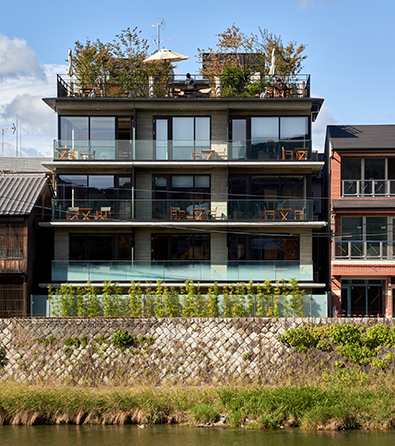
The Shinmonzen is a small luxury boutique hotel set on Shinmonzen-Dori, the Kyoto street long associated with fine art and antiques, in the preserved Gion Shirakawa area. Designed by Tadao Ando over a development process that took more than a decade, the building stands along the Shirakawa River and was conceived as a contemporary interpretation of Gion’s traditional architectural setting. The hotel draws on the idea of a modern urban ryokan, combining minimalist interiors with a strong art presence throughout the property.
 Photo courtesy of The Shinmonzen
- Photo courtesy of The Shinmonzen
- Photo courtesy of The Shinmonzen
- Photo courtesy of The Shinmonzen
- Photo courtesy of The Shinmonzen
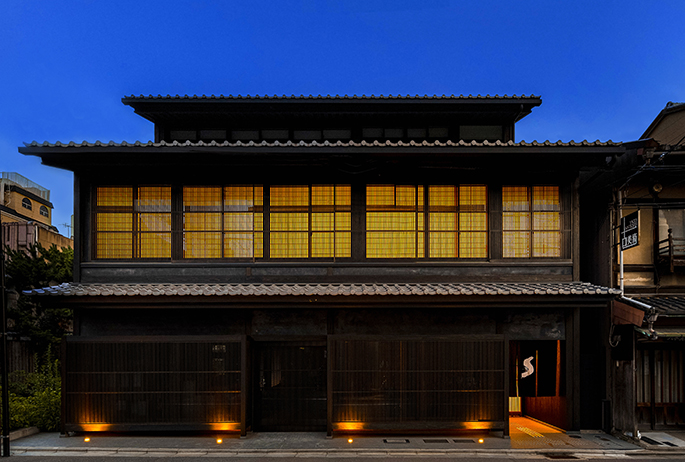
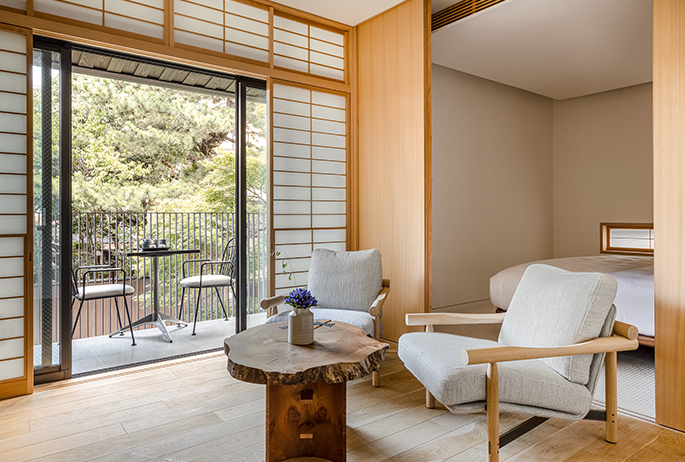
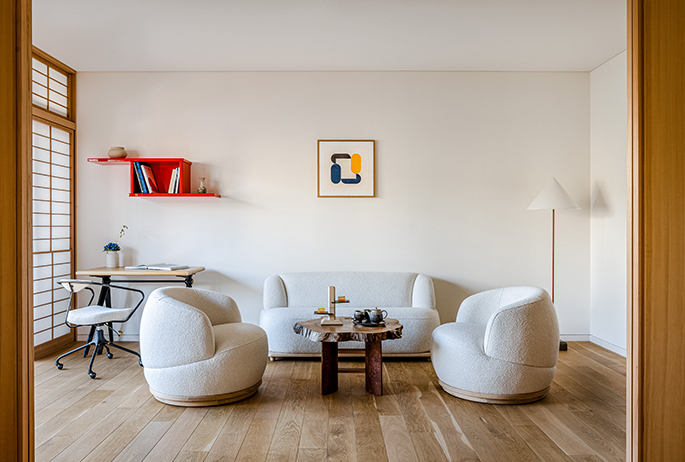
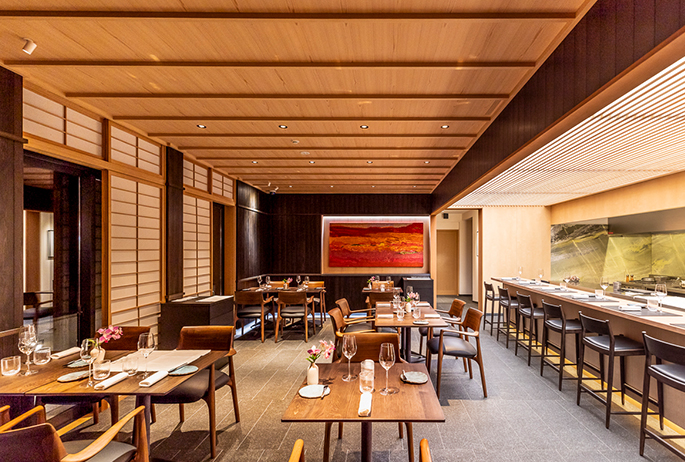
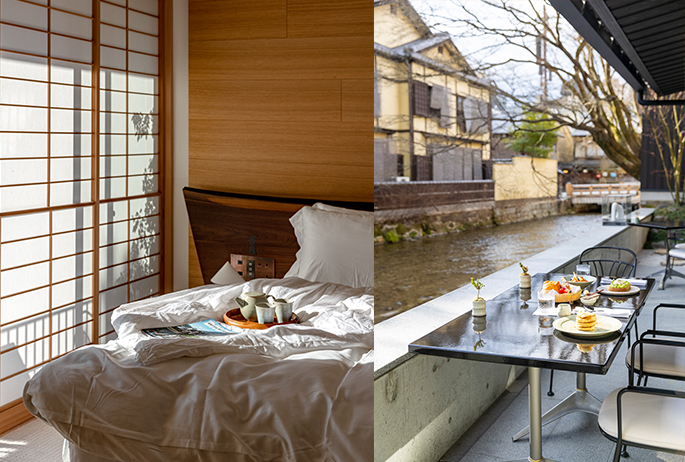
The hotel has 9 spacious suites, each individually designed with different natural materials. All suites include private balconies overlooking the Shirakawa River, while three offer a more traditional Japanese stay with tatami bedrooms and Iwata twin futon beds. Materials such as bamboo, lacquer, silk, stone, cypress, and marble shape the rooms, alongside custom artworks and handwoven carpets. Guest facilities include the Riverside Lounge with complimentary seasonal drinks and gourmet items, a cardio gym or in-suite workout option, spa treatments including Reiki, and the Jean-Georges restaurant, whose menu blends French, American, and Asian influences with seasonal local ingredients.
This hotel is suited to travelers who want to stay in the heart of Gion while being immersed in one of Kyoto’s most atmospheric areas. From here, it is easy to explore Tatsumi Bridge, the antique shops of Shinmonzen-Dori, Hanami Lane, and the wider geisha district on foot, while the riverside setting offers a calmer base than many of the busier surrounding streets.
Genji Kyoto (Kawaramachi / riverside Kyoto)
Genji Kyoto is a boutique hotel inspired by “The Tale of Genji,” the classic Japanese novel written over 1,000 years ago, and built on a site connected to its historical setting. The architecture, designed by Kyoto-based architect Geoffrey P. Moussas, reinterprets traditional kyo-machiya townhouses, with two wings connected by a bridge through a Zen garden and a sequence of smaller pocket gardens throughout the building. Materials and spatial techniques draw from the Heian period, integrating interior and exterior spaces, while elements such as cedar-imprinted concrete and washi paper windows by artist Eriko Horiki create a layered, atmospheric environment.
- Photo courtesy of Genji Kyoto
- Photo courtesy of Genji Kyoto
- Photo courtesy of Genji Kyoto
- Photo courtesy of Genji Kyoto
- Photo courtesy of Genji Kyoto
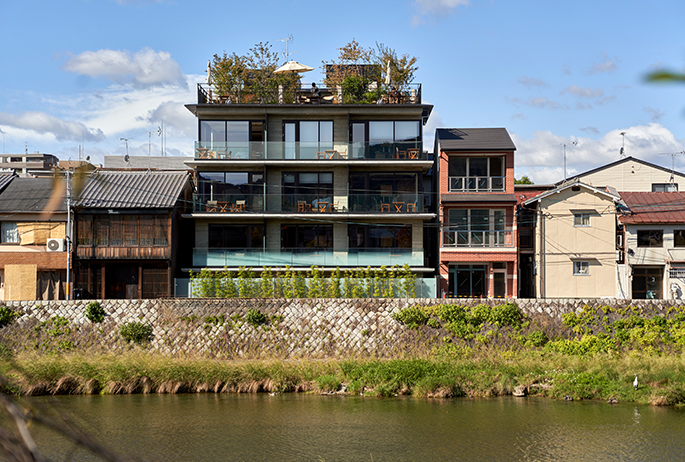
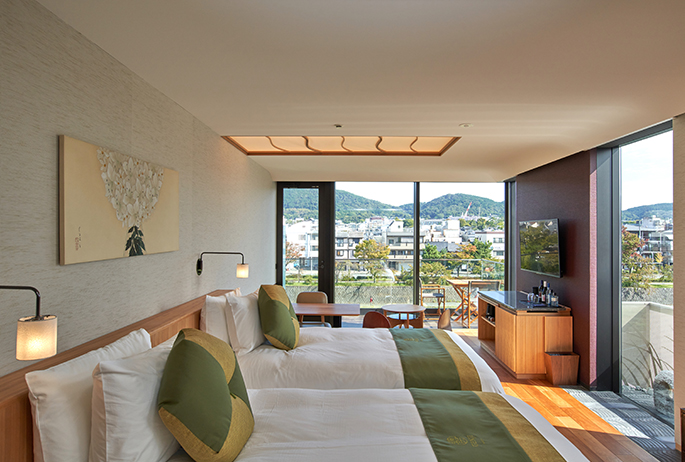
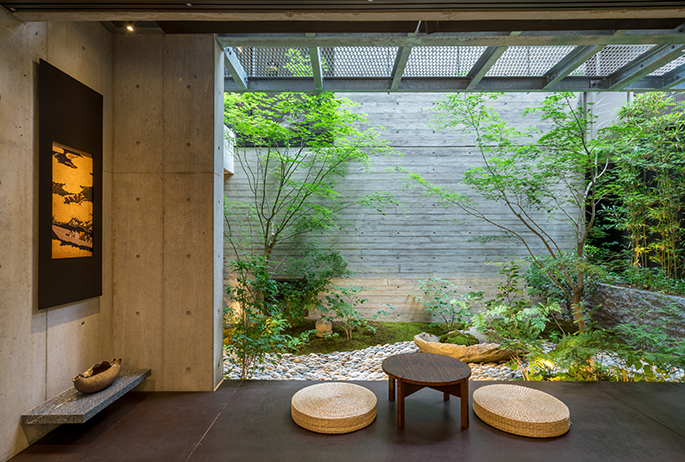
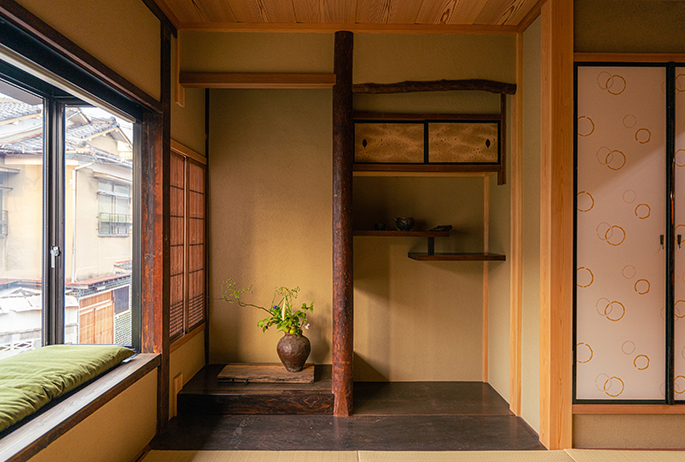
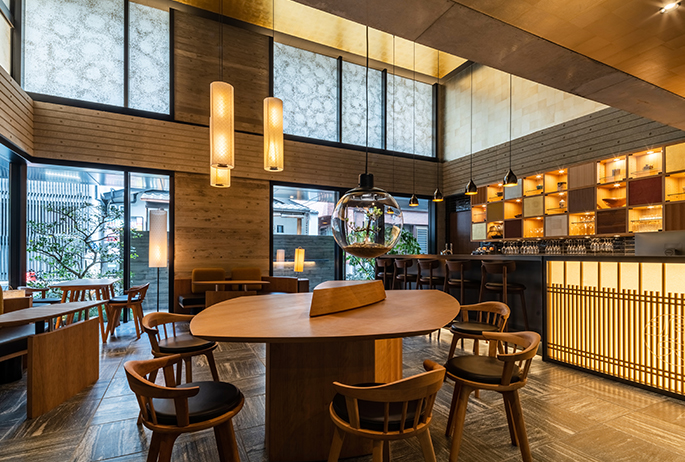
The hotel has 19 rooms, each designed to strike a balance between Japanese aesthetics and contemporary comfort. Rooms feature tatami seating areas, writing desks, dining tables, and large bathing rooms, with views of the river, the city, or a tsubo garden, a small enclosed courtyard garden. Across the hotel, interiors include custom-designed furniture inspired by motifs from “The Tale of Genji” and handmade by Kyoto craftsmen, alongside shared spaces such as a rooftop Sky Forest Garden designed as a quiet retreat within the city.
Located along the Kamo River in a quieter part of central Kyoto, the hotel offers a more residential setting while still within reach of the city’s main cultural areas. The surrounding neighborhood allows for easy access to Kawaramachi, Gion, and Higashiyama, while the immediate riverside location provides a calmer base compared to busier tourist districts.
Marufukuro (Kagiyacho / Kamo River area)
Marufukuro is set in Nintendo’s former headquarters in Kyoto’s Kagiyacho and combines three restored original buildings with a new annex designed and supervised by Tadao Ando. The hotel preserves the historical character of the former complex while introducing a quieter contemporary layer, with each building named after a playing-card suit and given a distinct interior identity. This dialogue between heritage and new architecture is central to the property, from the restored former office, residence, and warehouse buildings to the Ando-designed addition that reframes the site for present-day use.
- Photo by Marufukuro
- Photo by Marufukuro
- Photo by Marufukuro
- Photo by Marufukuro
- Photo by Marufukuro
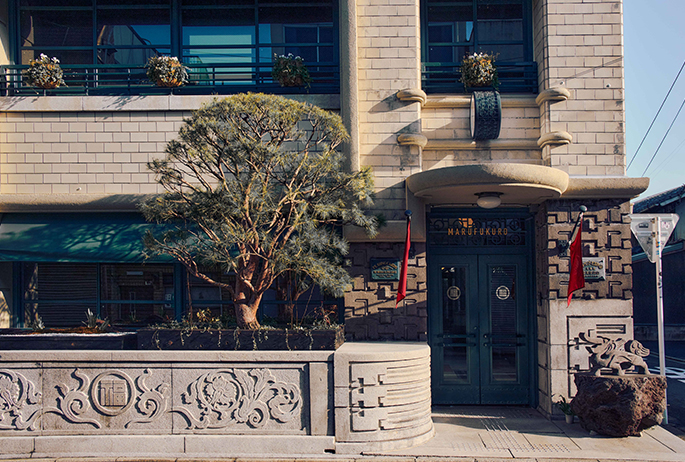
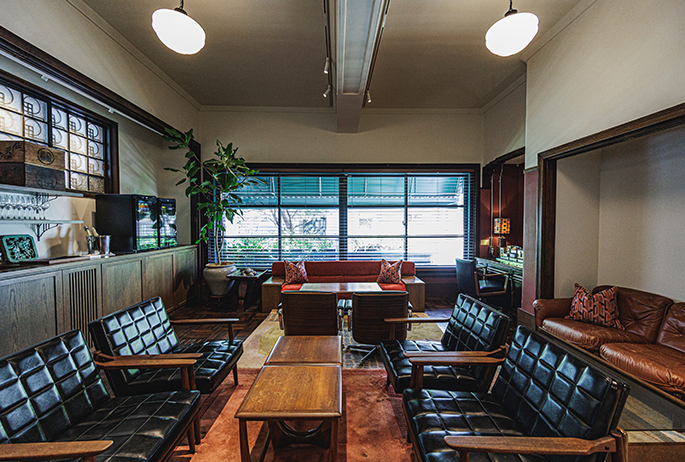
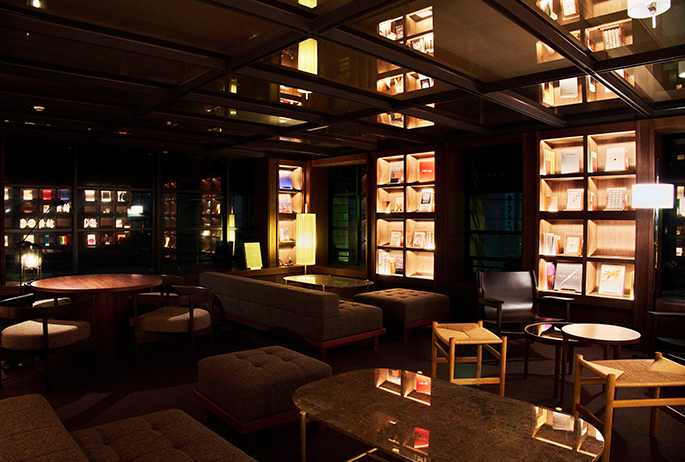
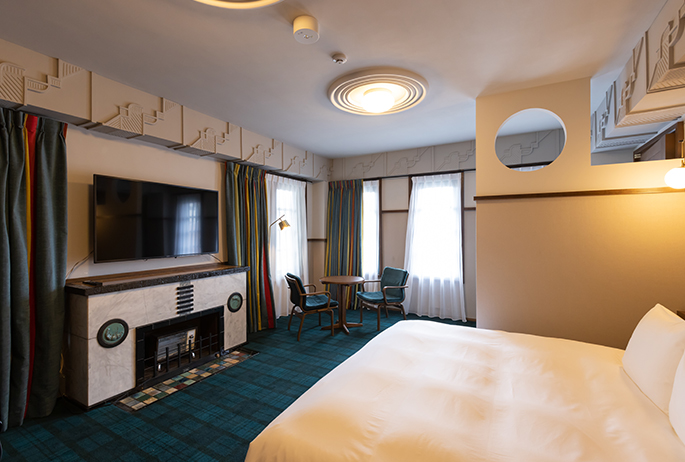
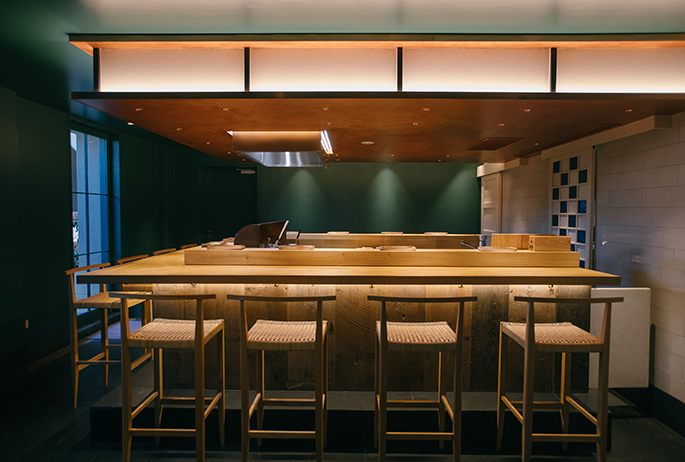
The hotel has 18 rooms, including 4 suites, spread across the original buildings and the new annex. Room categories range from compact historic rooms in the restored sections to larger Ando-designed accommodations in the new wing, alongside options such as Balcony King rooms facing Mount Higashiyama, a Japanese Suite with both tatami and Western-style spaces, and the Marufukuro Suite with a private barrel sauna. Beyond the rooms, facilities include 24-hour guest lounges, the dNa Library bar, TEMPURA MARUFUKU, complimentary minibar items, original loungewear and nightwear, free rental e-bikes, and access to a nearby sento, a traditional Japanese public bath.
Set in Kagiyacho by the Kamo River, Marufukuro works especially well for travelers who want a quieter base within easy reach of central Kyoto. The location places guests within walking distance of Kyoto Station and Shichijo Station, while also providing convenient access to Kawaramachi, Gion, Higashiyama, and several major cultural sights. It is a particularly strong choice for those who want to stay in a more residential riverside part of the city without losing connection to Kyoto’s main districts.
Candeo Hotels Kyoto Karasuma Rokkaku (Karasuma / central Kyoto)
Candeo Hotels Kyoto Karasuma Rokkaku incorporates a preserved kyo-machiya, a traditional Kyoto townhouse, formerly the Ban family residence, which has been renovated and integrated into the hotel as a lounge. The property’s room concept also reflects Candeo’s broader design approach, including the use of a koagari sofa, a slightly raised seating platform inspired by traditional Japanese interiors, in many room categories. Room types range from compact king and twin rooms to Executive categories, as well as Private Spa rooms with their own open-air baths.
- Photo courtesy of Candeo Hotels Kyoto
- Photo courtesy of Candeo Hotels Kyoto
- Photo courtesy of Candeo Hotels Kyoto
- Photo courtesy of Candeo Hotels Kyoto
- Photo courtesy of Candeo Hotels Kyoto
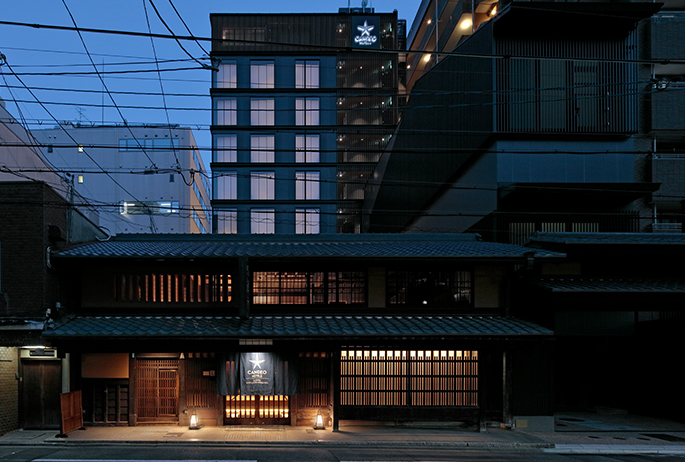
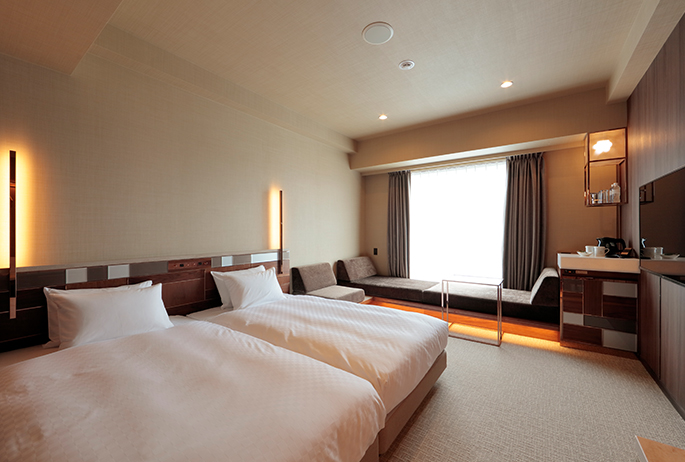
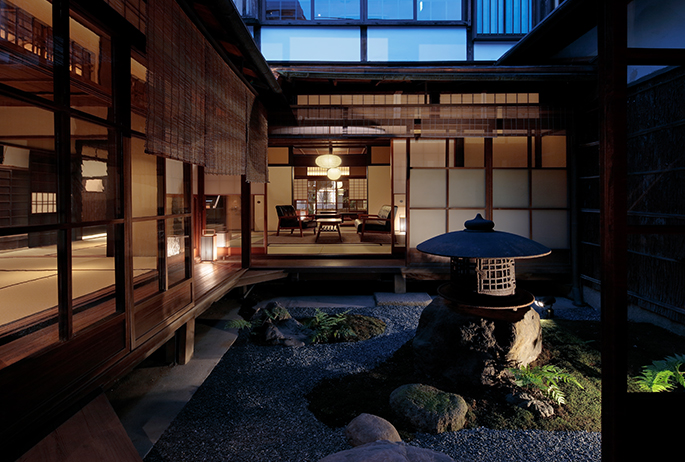
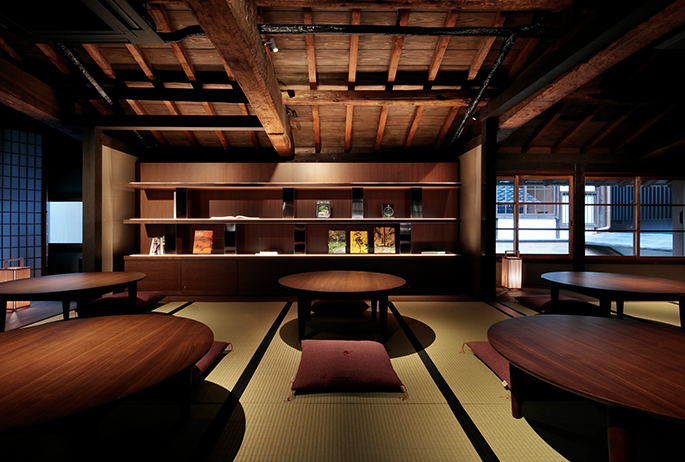
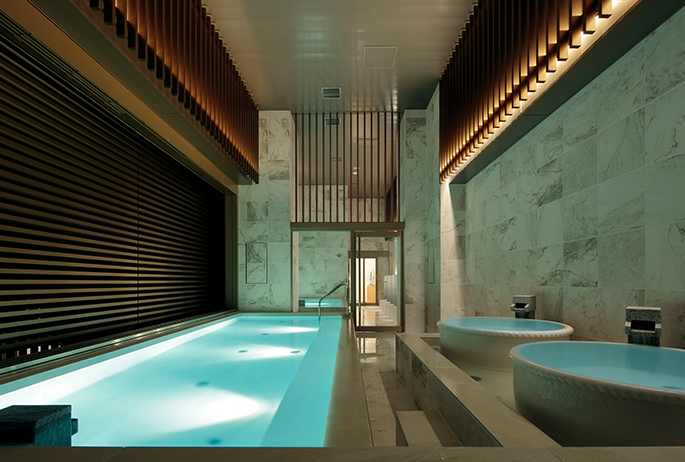
Facilities are a strong part of the appeal here. The hotel’s SkySpa includes indoor and open-air baths for both men and women, with a dry sauna and cold bath in the men’s spa and a mist sauna in the women’s spa; access is complimentary for hotel guests. The preserved machiya also adds a more distinctive communal element: a library with complimentary coffee and tea, and a lounge bar overlooking the inner garden and courtyard, where guests can sit on tatami, traditional woven straw mats, or at the counter. In the rooms themselves, amenities include yukata, lightweight Japanese robes, and slippers.
This hotel is suited to travelers who want to stay around Karasuma, an area that makes it easy to move between central Kyoto’s shopping streets, everyday food spots, and major sightseeing districts. Its location works particularly well for visitors who want a more connected base in the city, while still returning at the end of the day to a quieter and more self-contained hotel setting.
THE HIRAMATSU KYOTO (Muromachi-dori / central Kyoto)
THE HIRAMATSU KYOTO is set in a converted machiya townhouse built more than 120 years ago on historic Muromachi-dori in central Kyoto. The remodelling was supervised by the Kyoto firm Nakamura Sotoji Komuten, and the hotel’s design draws on the machiya tradition through materials such as wood, earth, and paper, with details intended to express hannari, the Kyoto idea of refined elegance. Original architectural elements remain important to the experience, including the merchant-house façade, exposed beams, reconstructed earthen flooring in the former shop area, and gardens that shape the atmosphere throughout the property.
- Photo courtesy of THE HIRAMATSU KYOTO
- Photo courtesy of THE HIRAMATSU KYOTO
- Photo courtesy of THE HIRAMATSU KYOTO
- Photo courtesy of THE HIRAMATSU KYOTO
- Photo courtesy of THE HIRAMATSU KYOTO
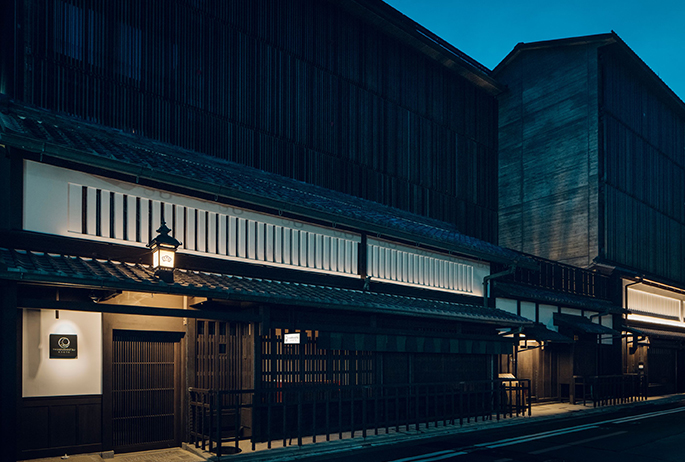
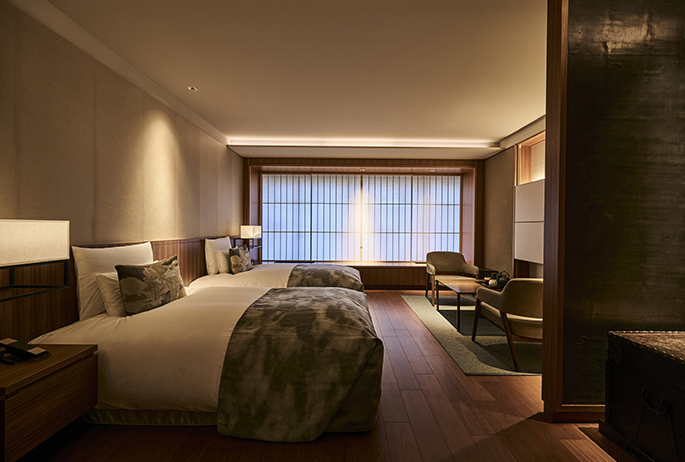
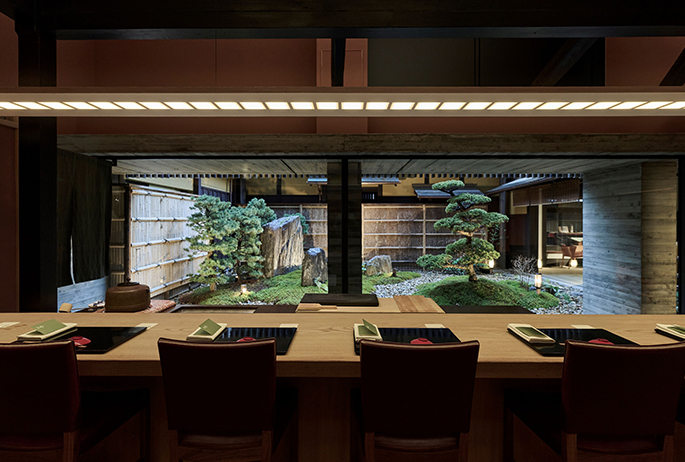
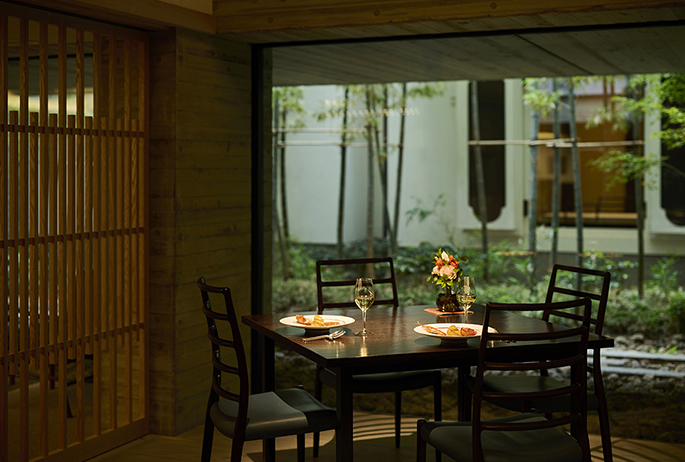
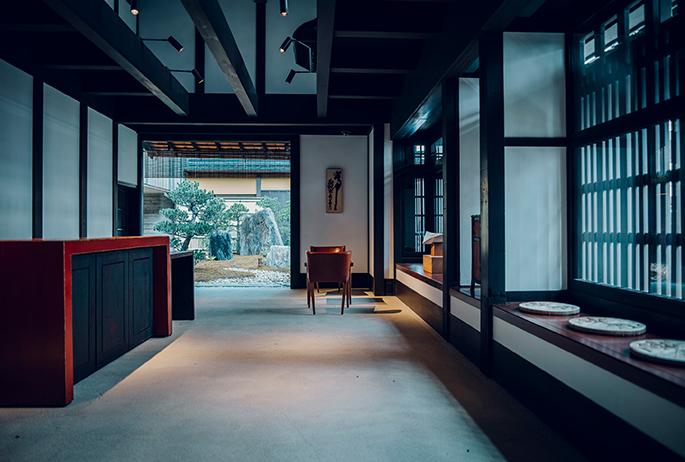
The hotel has 29 spacious rooms and suites, with interiors that combine Kyoto design references with modern comfort. Depending on the room, details include washi paper, miniature gardens, lattice partitions between living and sleeping areas, and lead-covered feature walls that develop character over time. Dining is a major part of the hotel’s identity, with the kappo-style restaurant Izumi, where a 12-seat counter looks onto the pine tree garden, and the Italian restaurant Ristorante la Luce, whose open dining room faces the bamboo garden and kura storehouse.
This hotel is especially well suited to travelers who want to stay in central Kyoto with easy access to both everyday city life and major cultural districts. Muromachi-dori places guests in a convenient part of Nakagyo, while the preserved machiya setting gives the stay a much stronger sense of place than a standard luxury hotel.
THE GATE HOTEL KYOTO TAKASEGAWA by HULIC (Shijo Kawaramachi / Takase River)
THE GATE HOTEL KYOTO TAKASEGAWA by HULIC combines a contemporary hotel with the preserved former Rissei Elementary School, a 1920s building described by the hotel as the oldest concrete building in Kyoto. The project layers new interiors over the historic structure, drawing on details from the former school as well as traditional Japanese tea houses. Its interior concept was developed by SCDA, with a material palette of wood, stone, and subtle tones intended to balance heritage with a more contemporary sense of comfort.
- Photo courtesy of THE GATE HOTEL KYOTO TAKASEGAWA by HULIC
- Photo courtesy of THE GATE HOTEL KYOTO TAKASEGAWA by HULIC
- Photo courtesy of THE GATE HOTEL KYOTO TAKASEGAWA by HULIC
- Photo courtesy of THE GATE HOTEL KYOTO TAKASEGAWA by HULIC
- Photo courtesy of THE GATE HOTEL KYOTO TAKASEGAWA by HULIC
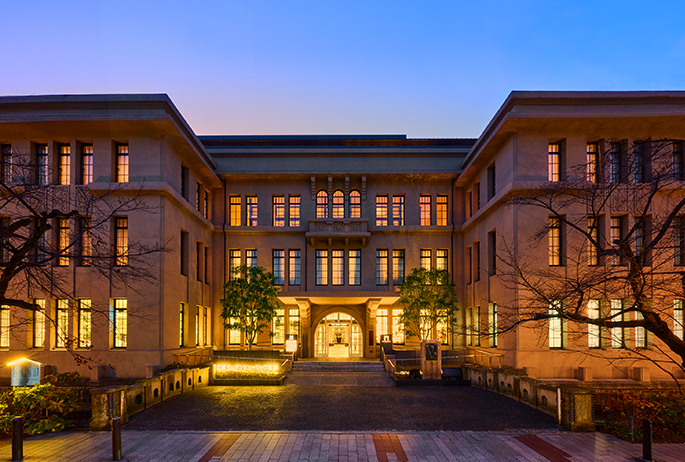
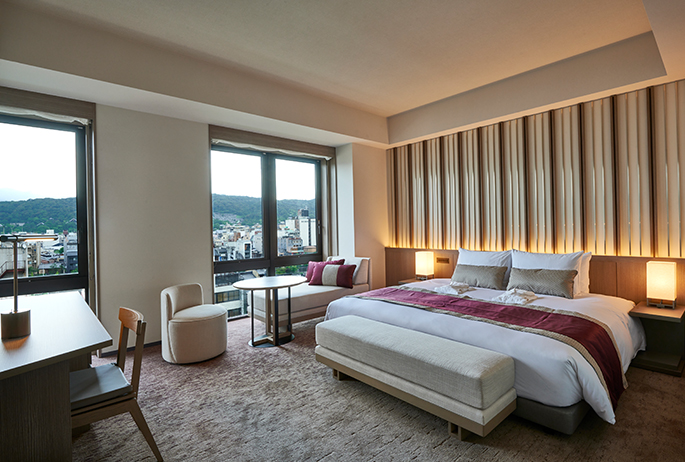
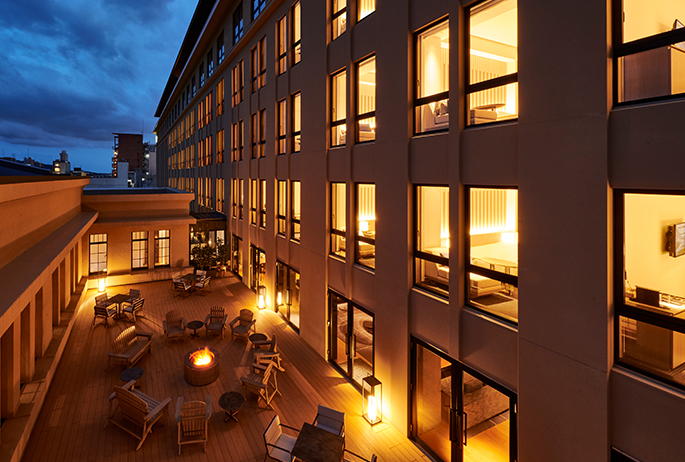
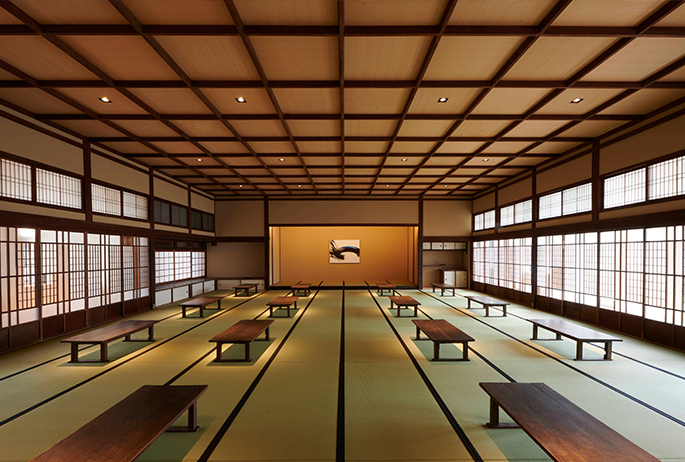
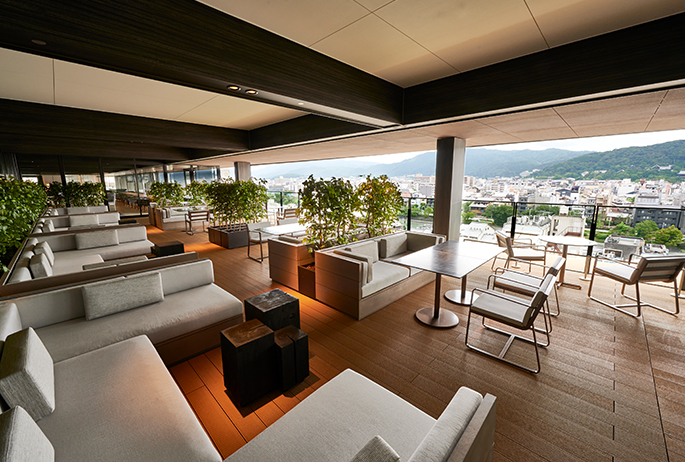
The rooms are divided between two categories, “Main” and “Schoolhouse.” The Main rooms are described as expressing a modern approach to historical Kyoto, while the Schoolhouse rooms occupy the restored former school building and preserve more of the site’s original character. The hotel also includes Anchor Kyoto, a bistro restaurant with views toward Higashiyama, a Lobby Lounge & Bar, a guest-only Lounge & Patio with complimentary snacks and beverages, a fitness facility for guests, and the Jikyo Room, a former study room retained as an event space.
This hotel is suited to travelers who want to stay around Shijo Kawaramachi while having quick access to both central Kyoto and the city’s historic districts. The location places guests within walking distance of Kyoto Kawaramachi Station and Gion-Shijo Station, making it easy to move between shopping streets, dining areas, and eastern Kyoto’s major sights, while the Takase River setting and the reuse of the former school give the property a stronger local identity than a more conventional city hotel.