The UK offers some of the most rewarding cultural city breaks in Europe outside London. From sculpture parks in Yorkshire and contemporary art venues in NewcastleGateshead to design museums in Dundee, university collections in Oxford and Cambridge, and the coastal art scene of St Ives, these destinations combine museums, galleries, architecture, and walkable historic centers. This guide explores some of the best cultural routes across Northern England, Scotland, the South West, and the East of England, highlighting the museums, galleries, and landmarks that define each place. Alongside the cultural stops, the guide also includes carefully selected boutique and design hotels in each region, allowing travelers to pair museum visits with distinctive places to stay. Interactive maps are included to help readers explore accommodation options and book hotels in each destination.
If you’re also planning to visit London, explore our guide: London Art, Design & Theater Guide: Best Museums, Galleries & Architecture.
Northern England: Yorkshire Sculpture Parks & NewcastleGateshead Art Venues
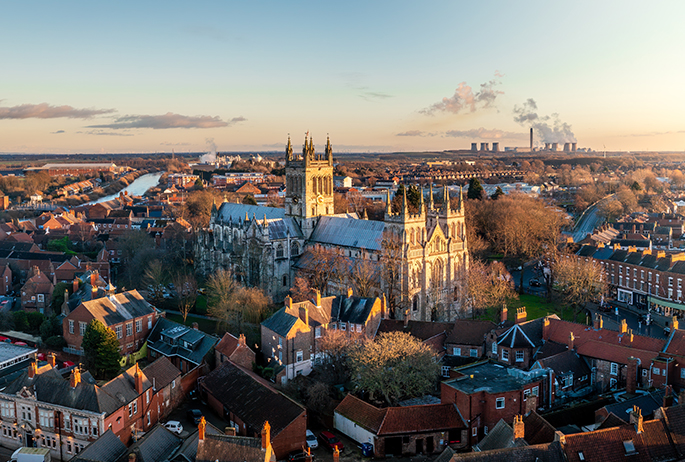
Yorkshire and the NewcastleGateshead area form one of the most compelling cultural itineraries in Northern England, combining outdoor sculpture, modern and contemporary art museums, and industrial buildings converted into major cultural venues. The distances between the main sites make the route suitable for a long weekend or a 3–5 day trip. Yorkshire offers large-scale landscape settings for sculpture, while NewcastleGateshead brings together several leading contemporary venues along the River Tyne.
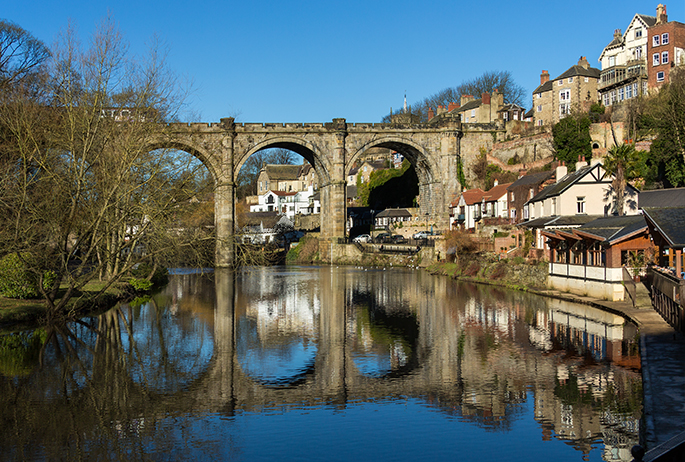 Knaresborough Viaduct, Knaresborough, North Yorkshire. Photo: Envato Element
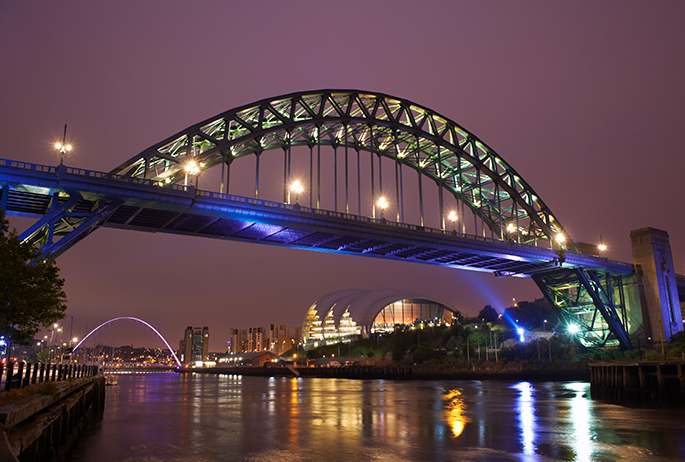 Tyne Bridge, Newcastle. Photo: Envato Elements
 Wakefield Cathedral, Yorkshire. Photo: Envato Elements
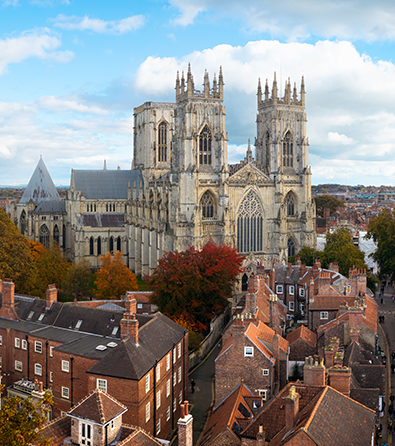
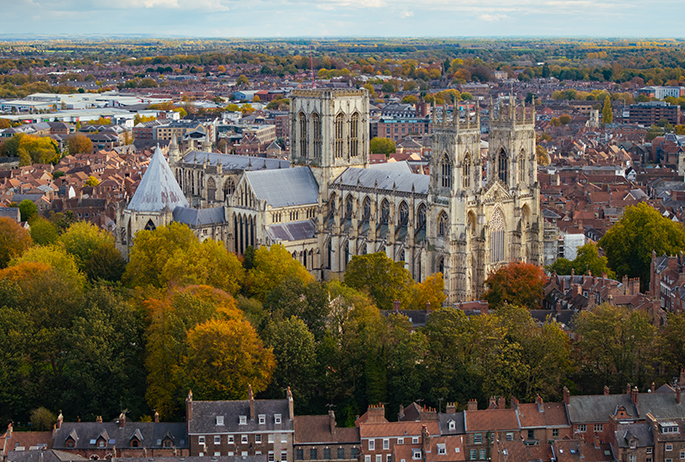
- York Minster, York. Photo: Envato Elements
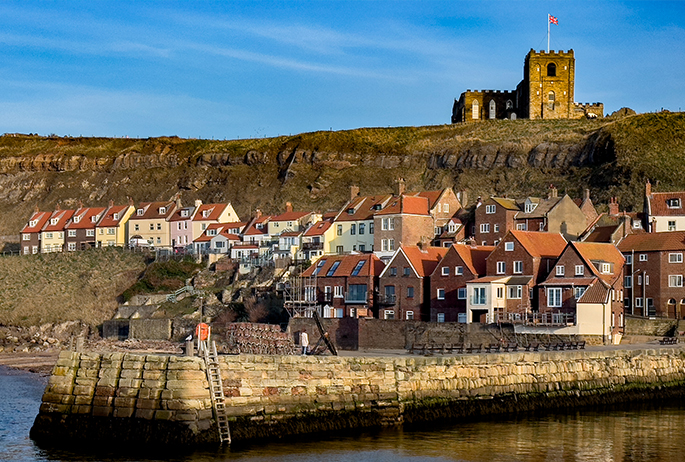
- Whitby Abbey, Whitby, North Yorkshire. Photo: Envato Elements
Cultural Venues Worth Visiting
Begin in Yorkshire with the Yorkshire Sculpture Park, an open-air museum spread across about 500 acres of historic parkland on the Bretton Estate near Wakefield. Founded in 1977, it was the first sculpture park of its kind in the UK and remains one of Europe’s largest. Visitors walk through lakes, woods, and 18th-century landscaped grounds while encountering monumental sculptures by artists such as Henry Moore, Barbara Hepworth, Ai Weiwei, and Andy Goldsworthy. The park is also the only place in Europe where Hepworth’s sculpture series The Family of Man can be seen together, alongside rotating exhibitions and site-specific installations placed directly within the landscape.
Nearby, The Hepworth Wakefield provides the indoor museum counterpart. Named after sculptor Barbara Hepworth, who was born in Wakefield, the museum focuses on modern and contemporary art with a strong emphasis on British artists. The building, designed by architect David Chipperfield, sits directly on the River Calder and hosts both collection displays and international temporary exhibitions.
On the way north, stop in York at Yorkshire Museum and York Museum Gardens. The museum presents archaeology, natural history, and Roman and medieval artefacts from the region. The surrounding gardens, established in the 1830s, include the ruins of St Mary’s Abbey, making the site an accessible cultural stop that combines regional history with a landscaped public garden.
Finish in NewcastleGateshead, where BALTIC Centre for Contemporary Art features the region’s contemporary art scene. The gallery occupies a converted flour mill on the south bank of the River Tyne and is known for large-scale exhibitions by international contemporary artists. A short walk away, The Glasshouse International Centre for Music (formerly Sage Gateshead), designed by architect Norman Foster, hosts concerts and music events throughout the year, making it a natural evening continuation after visiting the galleries.
Where to Stay
For this Northern England route, York works well as a first overnight base because the historic center, museums, and cathedral are all within walking distance. No 1 by GuestHouse, York offers a boutique stay in a Grade II listed Regency townhouse close to the city walls.
For the NewcastleGateshead portion of the route, Hotel Indigo Newcastle provides a central base within walking distance of the Tyne bridges and cultural venues. Hotel Indigo Durham works well if you prefer staying in the historic cathedral city of Durham while visiting Newcastle as part of the itinerary.
If you extend the route beyond Yorkshire, The Cavendish Hotel at Baslow in the Peak District offers a traditional countryside stay near Chatsworth Estate, while The Penny Bun provides a smaller rural inn-style base in North Yorkshire.
Use the interactive map below to find where to stay in your chosen city, compare hotels, and check prices across multiple providers.
Hotel links in this guide are affiliate links. If you book through them, Culture Treasures may receive a small commission at no additional cost to you. This helps support the magazine.
Scotland: Dundee Design Museum & Edinburgh Art and Museum Route
Dundee and Edinburgh form a compact cultural route in Scotland that combines design museums, contemporary art spaces, and historic architecture. The two cities are about 90 minutes apart by train, which makes the itinerary suitable for a long weekend or a 3–5 day trip. Dundee focuses on design and waterfront regeneration, while Edinburgh offers a dense concentration of museums, galleries, and performance venues within a historic city center.
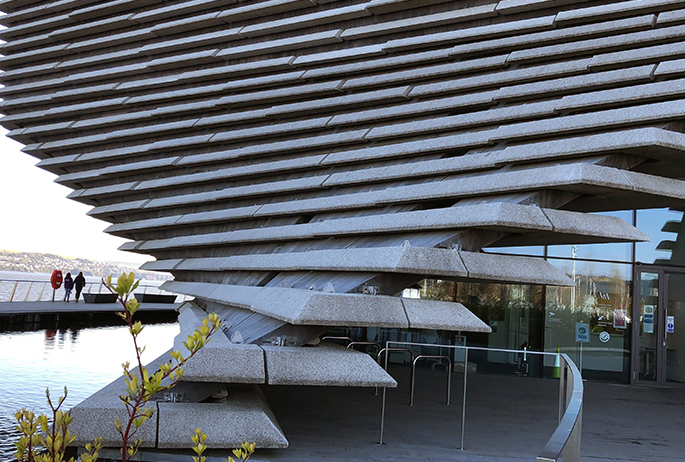
- V&A-Dundee. Photo: Envato Elements
- Edinburgh. Photo: Envato Element
- Edinburgh. Photo: Envato Element
- Edinburgh. Photo: Envato Element
- Edinburgh. Photo: Envato Element
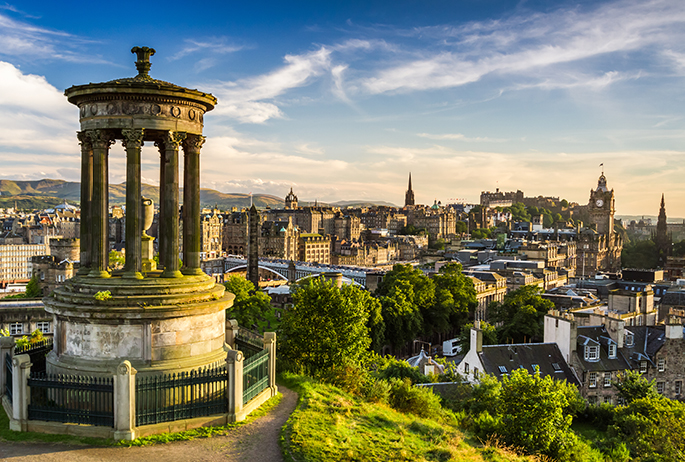
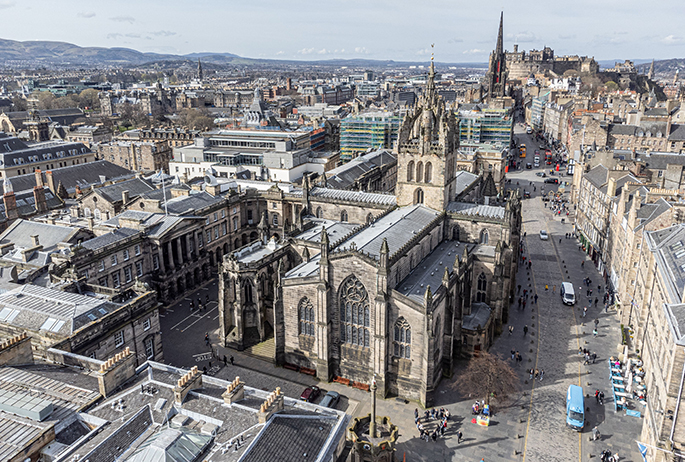
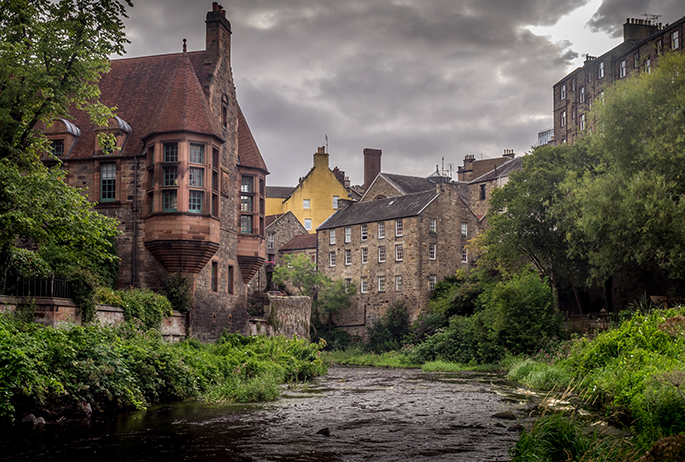
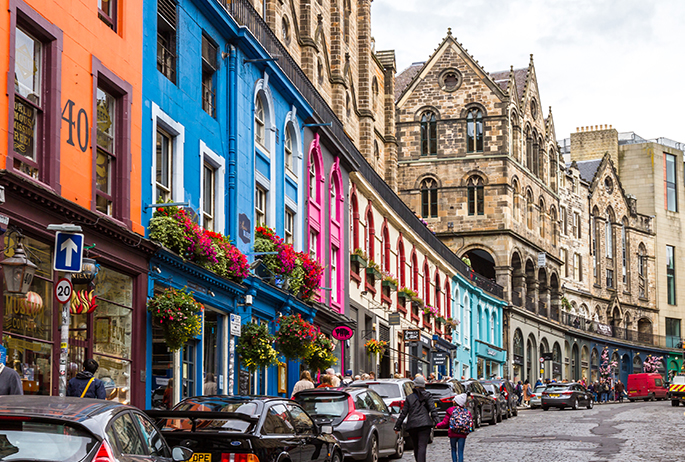
Cultural Venues Worth Visiting
In Dundee, begin on the waterfront with V&A Dundee, Scotland’s design museum in a building designed by architect Kengo Kuma. The program focuses on design and architecture, making it the natural anchor for a design-led visit. Continue into the city center for Dundee Contemporary Arts (DCA), a combined exhibitions-and-cinema venue with regular talks and events, then add The McManus: Dundee’s Art Gallery & Museum, housed in a Victorian Gothic building and known for its Scottish art displays and local history collections. Dundee is compact enough that these stops can be linked on foot, and a short walk between the waterfront and the center is part of the experience.
In Edinburgh, focus on a walkable loop through the university area and the Old Town, or book a guided tour for added historical and architectural context. Start with Talbot Rice Gallery (University of Edinburgh) for contemporary exhibitions in a historic academic setting, then add the National Museum of Scotland for a major museum visit that covers Scottish history alongside science, world cultures, and natural history. For contemporary art, include Fruitmarket near Waverley Station, one of Edinburgh’s leading contemporary art galleries. Founded in 1974 in a former fruit and vegetable market building, the gallery presents international contemporary exhibitions and regularly hosts talks, performances, and public events. You can also add Edinburgh Castle for sweeping city views and a powerful introduction to the city’s royal and military history. Finish with Edinburgh Printmakers at Castle Mills for a design- and print-focused program that combines exhibition galleries with working studios. These venues sit within easy reach of Edinburgh’s theatre and music scene, making it straightforward to add an evening performance after a museum day.
Where to Stay
For this Scotland itinerary, Dundee and Edinburgh work well as the two main overnight bases, allowing easy access to the museums, galleries, and cultural venues in each city.
In Dundee, Hotel Indigo Dundee provides a convenient base near the city centre and within easy reach of the waterfront museums and cultural venues.
In Edinburgh, several areas work well for a culture-focused stay. Eden Locke offers a contemporary aparthotel option in the New Town, while W Edinburgh provides a modern hotel close to the St James Quarter and within walking distance of the Old Town museums. Kimpton Charlotte Square is located in the Georgian New Town and works well for visitors who want a central base near galleries, restaurants, and shops. For boutique and heritage-style stays, Hotel du Vin Edinburgh and 100 Princes Street provide central locations close to the city’s main cultural areas. For a more distinctive historic experience, The Witchery by the Castle offers rooms in a restored building near Edinburgh Castle.
If you extend the route beyond Dundee and Edinburgh, Rusacks St Andrews provides a coastal stay in the historic town of St Andrews, known for its university and seaside setting.
Use the interactive map below to find where to stay in your chosen city, compare hotels, and check prices across multiple providers.
Hotel links in this guide are affiliate links. If you book through them, Culture Treasures may receive a small commission at no additional cost to you. This helps support the magazine.
South West England: Bristol Street Art, Bath Heritage & St Ives Art Coast
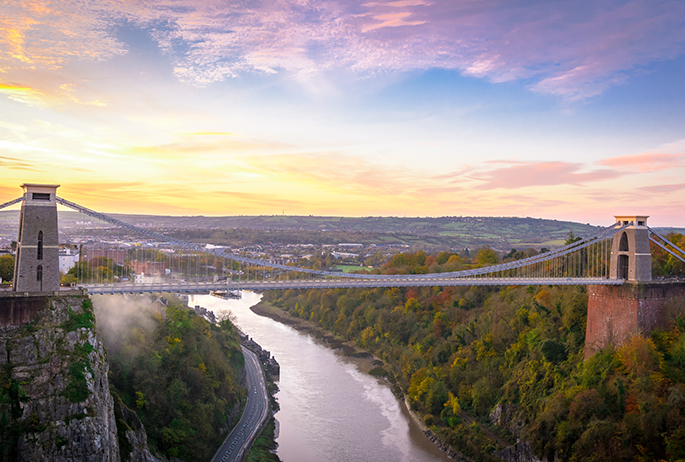
Bristol, Bath, and St Ives form a cultural route in South West England that combines contemporary art, historic architecture, and one of Britain’s best-known coastal art destinations. The cities are well connected by train and road, making the itinerary suitable for a long weekend or a 5–7 day trip. Bristol offers a strong contemporary art and street art scene, Bath focuses on Georgian architecture and heritage museums, and St Ives is known for modern British art connected to the Cornish landscape.
- Clifton Suspension Bridge, Bristol. Photo: Envato Elements
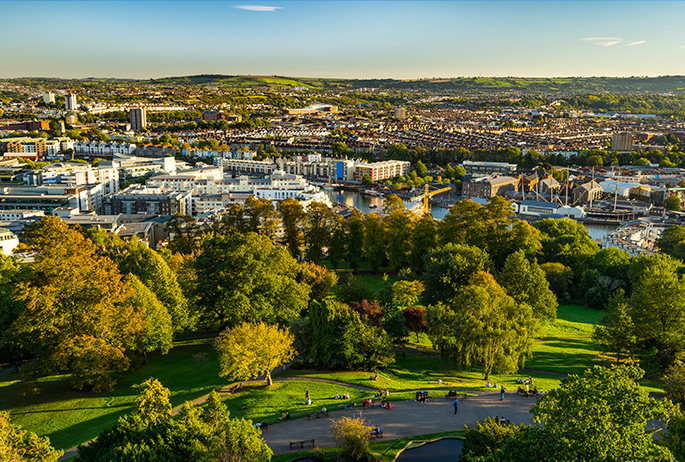
- Bristol. Photo: Envato Element
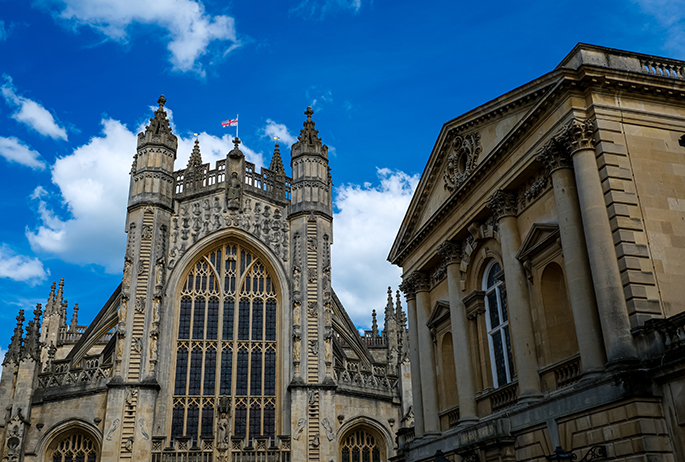
- Bath Abbe, Bath. Photo: Envato Elelments
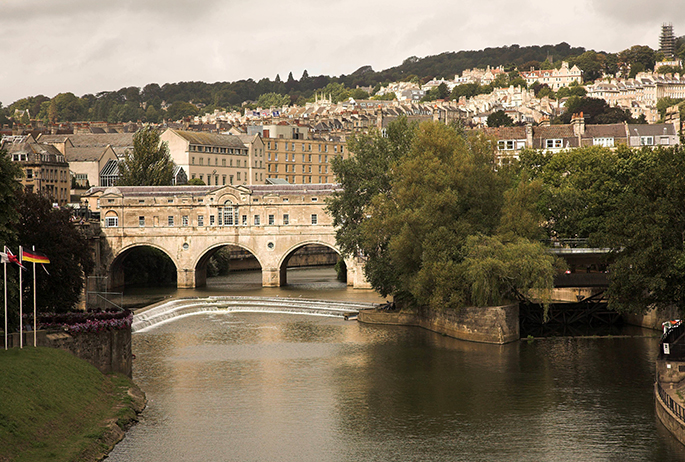
- Pulteney Bridgeת Bath. Photo: Envato Elelments
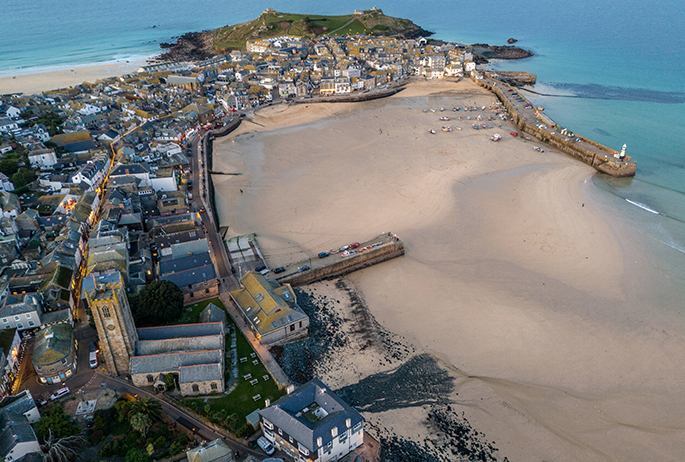
- St Ives Harbour. Photo: Envato Elements
Cultural Venues Worth Visiting
In Bristol, begin with Arnolfini, a contemporary arts center that presents exhibitions, film screenings, talks, and performance programs. Nearby, We The Curious offers interactive exhibitions focused on science, design, and creative experimentation, making it a different type of cultural stop from a traditional museum. For contemporary art, include Spike Island, a major art center that hosts exhibitions and artist studios. Bristol is also internationally known for its street art culture, linked to artists such as Banksy, so a walking route through areas such as Stokes Croft and the harborside is a key part of the cultural experience.
Continue to Bath with the Holburne Museum, a fine art museum at the end of Great Pulteney Street beside Sydney Gardens. It is worth visiting both for its collection and for its setting within one of Bath’s most elegant Georgian streets, making it an easy cultural stop to combine with a walk through the city. Pair it with the Roman Baths, one of the best-preserved Roman sites in Britain, dating from the 1st century AD when Bath was known as Aquae Sulis. Visitors can see the Great Bath, the ancient spring, and the remains of the Roman bathing complex, alongside a museum displaying archaeological finds discovered at the site. Bath’s Georgian architecture, including sites such as The Royal Crescent and The Circus, can be explored on foot between museum visits. The city is also closely associated with Jane Austen, who lived in Bath and used it as a setting in several of her novels. For an easier visit, it is also possible to book a guided day trip from London to Bath.
Finish in St Ives in Cornwall with Tate St Ives, a gallery overlooking Porthmeor Beach that presents exhibitions on modern and contemporary art, with a particular focus on artists and artistic movements connected to St Ives and West Cornwall. A short walk away, the Barbara Hepworth Museum and Sculpture Garden preserves the artist’s former studio and displays her sculptures in a garden setting. To understand the area’s craft and studio heritage, add Leach Pottery, founded by potter Bernard Leach and considered one of the most influential studios in British ceramics.
Where to Stay
For this South West itinerary, Bristol, Bath, and St Ives each work well as overnight bases, allowing easy access to the cultural venues and historic centres.
In Bristol, Number 38 Clifton provides a boutique stay in the Clifton neighbourhood, known for its Georgian architecture and views over the city. Artist Residence Bristol offers a smaller, design-led hotel with interiors created in collaboration with artists.
In Bath, The Yard in Bath is located in the historic centre, within walking distance of the Roman Baths, museums, and the main Georgian streets.
Near St Ives, Boskerris Hotel in Carbis Bay offers a coastal boutique stay close to the beaches and within a short drive of the galleries in St Ives. Artist Residence Cornwall, located in nearby Penzance, works well as a quieter base while still allowing easy access to the St Ives art venues.
Use the interactive map below to find where to stay in your chosen city, compare hotels, and check prices across multiple providers.
Hotel links in this guide are affiliate links. If you book through them, Culture Treasures may receive a small commission at no additional cost to you. This helps support the magazine.
East of England: Oxford & Cambridge Museums, Norwich Art, and Colchester Contemporary
Oxford, Cambridge, Norwich, and Colchester form a cultural route in the East of England that combines university museums, historic architecture, and contemporary art venues. The cities are connected by rail and road, making the itinerary suitable for a long weekend or a 4–7 day trip. Oxford and Cambridge are known for their university collections and historic colleges, while Norwich offers a strong museum within a compact medieval city, and Colchester adds a contemporary art stop alongside one of Britain’s oldest historic towns.
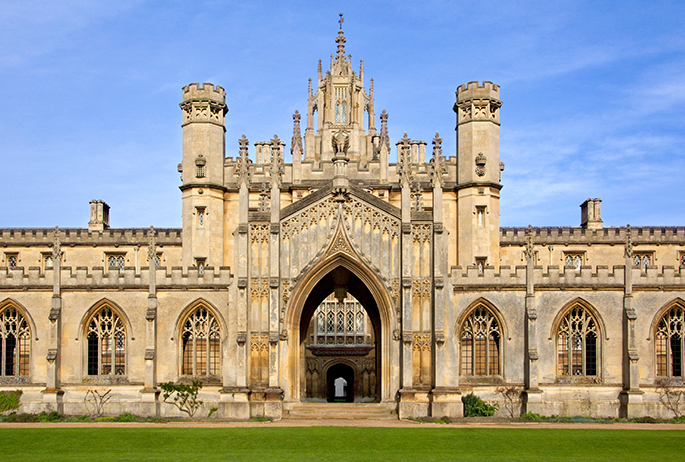
- King’s College Chapel, Cambridge. Photo: Envato Elements
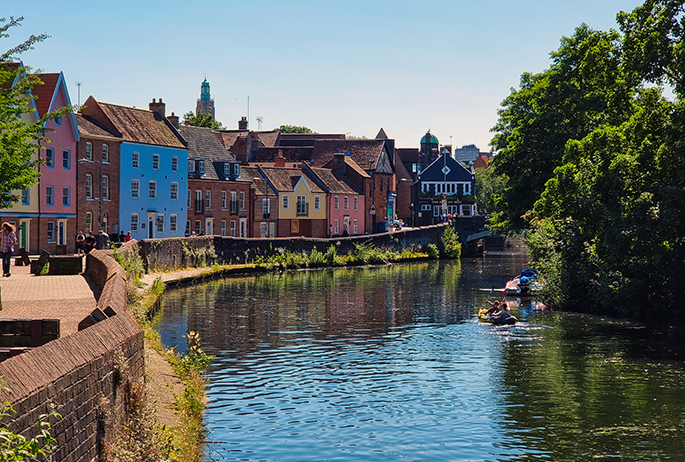
- River Wensum, Norwich. Photo: Envato Elements
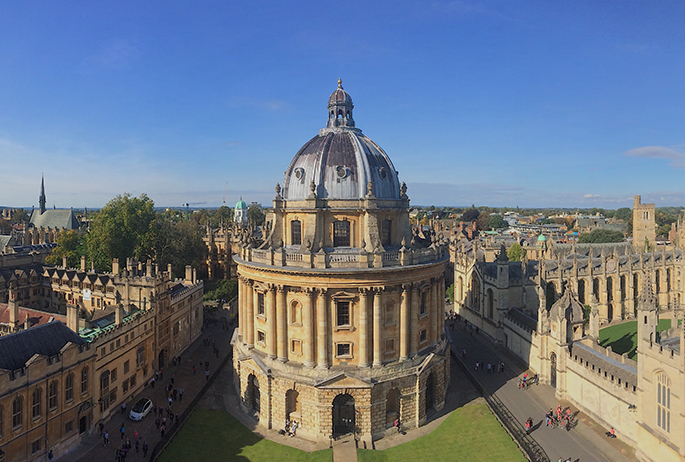
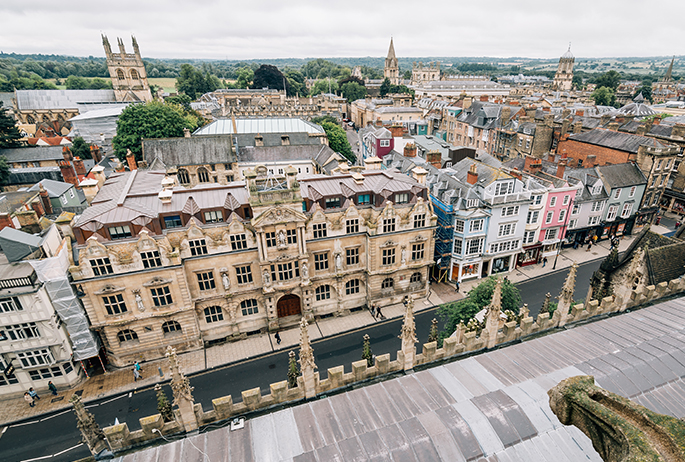
- Radcliffe Camera, Oxford. Photo: Envato Elements
- Oxford. Photo: Envato Elements
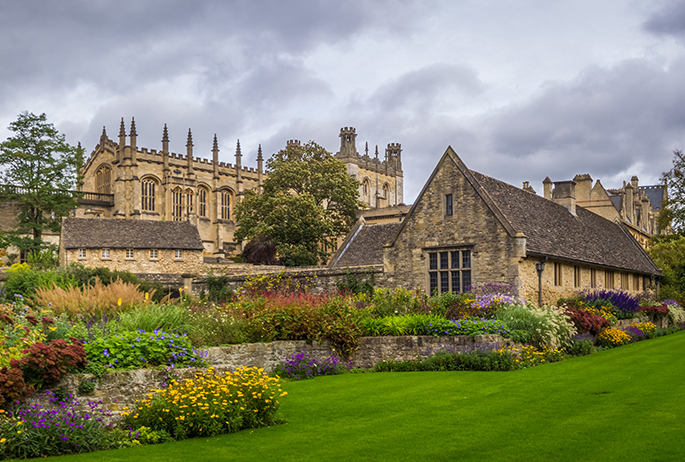
- Christ Church, Oxford. Photo: Envato Elements
Cultural Venues Worth Visiting
Begin in Oxford with the Ashmolean Museum, the University of Oxford’s main museum and the oldest public museum in Britain, founded in 1683. Its collections include archaeology, European painting, and decorative arts spanning ancient civilizations to modern works. Continue to Modern Art Oxford, a contemporary art space in the city center that presents rotating exhibitions by international and British artists. Between the two museums, a walk through the historic college streets and quadrangles introduces the architectural setting of the university, while a stop at the Bodleian Libraries highlights one of Europe’s oldest academic library systems. Visitors who want deeper context can also book a guided university tour to learn more about the colleges, traditions, and key historic sites.
In Cambridge, visit The Women’s Art Collection (Murray Edwards College), a major collection of modern and contemporary art by women artists. The works are displayed throughout the college building rather than in a single gallery space, allowing visitors to view the collection while moving through the architecture of a Cambridge university. After the visit, continue toward the central university area to explore the historic college streets and nearby bookshops and galleries in the city center. Visitors who want deeper context can also book a guided Cambridge University tour to learn more about the colleges, traditions, and key historic sites.
From there, continue to Norwich, anchored by the Sainsbury Centre for Visual Arts (University of East Anglia). The museum presents modern and contemporary international artworks and is housed in a building designed by architect Norman Foster on the UEA campus. After visiting the museum, continue into Norwich’s historic center to walk through the medieval streets and landmarks. The city also hosts regular theatre, music, and performance events, which makes it easy to add an evening cultural program.
Finish in Colchester with Firstsite, a contemporary art venue located near the historic center and known for its distinctive curved building designed by architect Rafael Viñoly. The gallery presents contemporary exhibitions and community programs. The visit can be combined with a short walk through the town center, including Colchester Castle, which reflects the city’s Roman origins and medieval history.
Where to Stay
For this East of England route, the most practical approach is to stay in central areas of the university cities so museums, colleges, and cultural venues remain within walking distance.
In Oxford, Old Parsonage Hotel provides a traditional stay near the university quarter, while Mollie’s Oxford offers a more contemporary design-led hotel on the edge of the city. Artist Residence Oxfordshire works well if you want to add a countryside stay to the itinerary rather than staying entirely within the city.
In Cambridge, Graduate by Hilton Cambridge and University Arms, Autograph Collection both provide central locations within walking distance of the colleges, museums, and the River Cam.
In Norwich, The Assembly House offers a historic stay in the city centre, within easy reach of the main streets, restaurants, and cultural venues.
Use the interactive map below to find where to stay in your chosen city, compare hotels, and check prices across multiple providers.
Hotel links in this guide are affiliate links. If you book through them, Culture Treasures may receive a small commission at no additional cost to you. This helps support the magazine.