POLIN Museum of the History of Polish Jews is one of Warsaw’s most important cultural institutions and a key destination for visitors seeking a deeper understanding of the city’s history. The museum presents a comprehensive and immersive account of Jewish life in Poland across a millennium, combining an award-winning permanent exhibition, striking contemporary architecture, and sophisticated exhibition design. Through its scale, ambition, and intellectual depth, POLIN stands out as a major landmark within Europe’s museum landscape.
For our full cultural guide to Warsaw, click here.
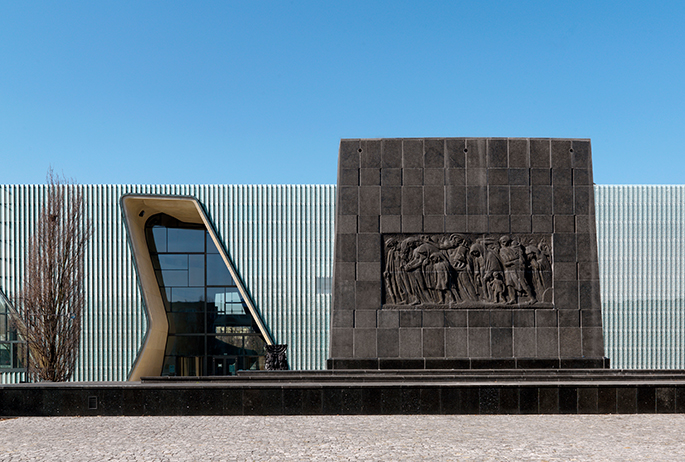 Photo: Wojciech Kryński. Courtesy of Polin museum
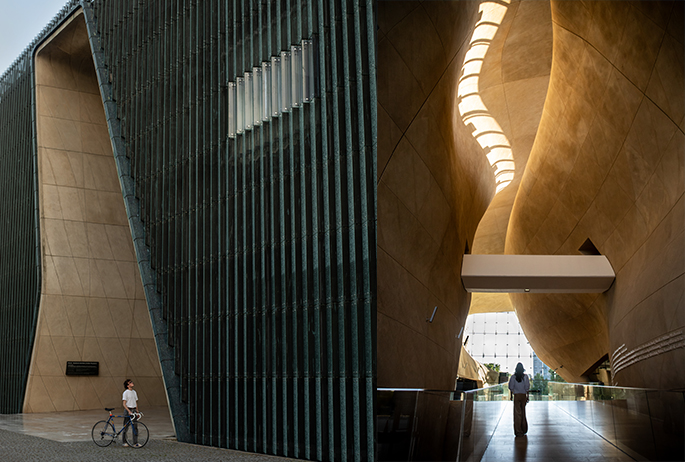 Photo: Maciek Jaźwiecki. Courtesy of Polin museum
 Photo: Maciek Jaźwiecki. Courtesy of Polin museum
- Photo: Shachaf Dekel
- Photo: M.STAROWIEYSKA D.GOLIK. Courtesy of Polin museum
- Photo: M.STAROWIEYSKA D.GOLIK. Courtesy of Polin museum
- Photo: M.STAROWIEYSKA D.GOLIK. Courtesy of Polin museum
- The Monument to the Ghetto Heroes. Photo: Shachaf Dekel
- The Monument to the Ghetto Heroes. Photo: Shachaf Dekel
 The Monument to the Ghetto Heroes. Photo: Shachaf Dekel
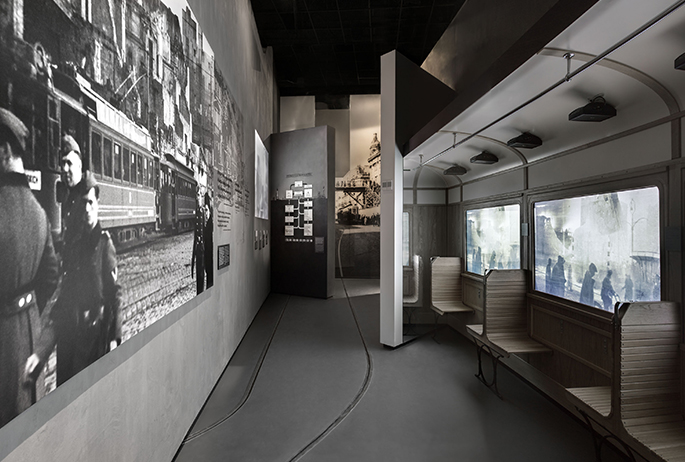
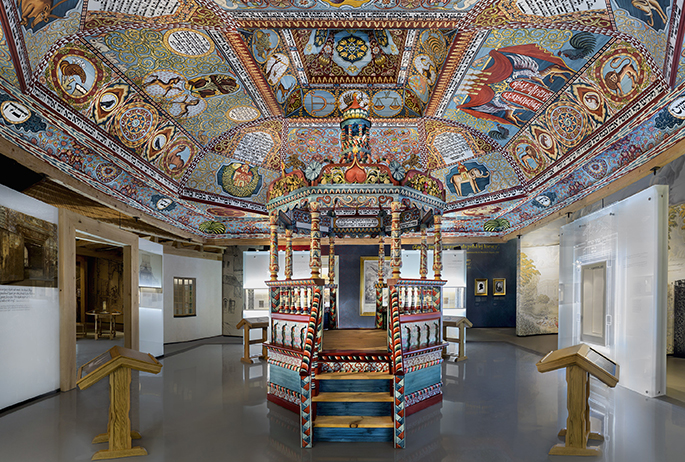
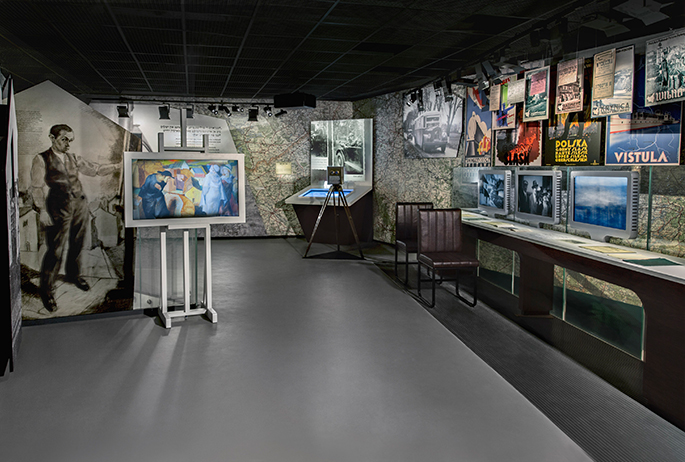
The museum’s permanent exhibition, 1000 Years of the History of Polish Jews, invites visitors on a chronological journey from the Middle Ages to the present day. Structured as a sequence of galleries, it traces successive phases of Jewish life in Polish lands, beginning with the legendary arrival of Jewish communities and continuing through periods of cultural development, economic contribution, everyday life, encounters with modernity, devastation during the Holocaust, and the resurgence of Jewish presence after 1989. Throughout the exhibition, visitors encounter stories of individuals and communities, learn about holidays, customs, religion, and culture, and are immersed in a world that once flourished across towns and neighborhoods. Artifacts, reconstructions, multimedia installations, and interactive displays allow visitors to step into this history, gaining insight into both its achievements and its tragedies while understanding how the history of Polish Jews is interwoven with the broader history of Poland.
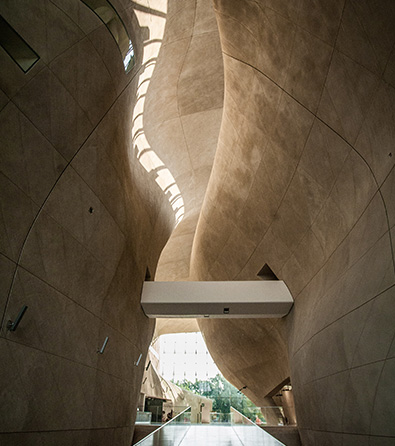
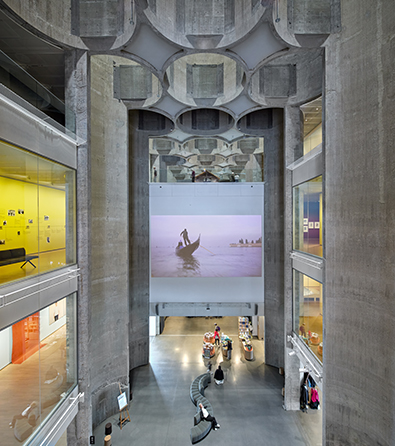
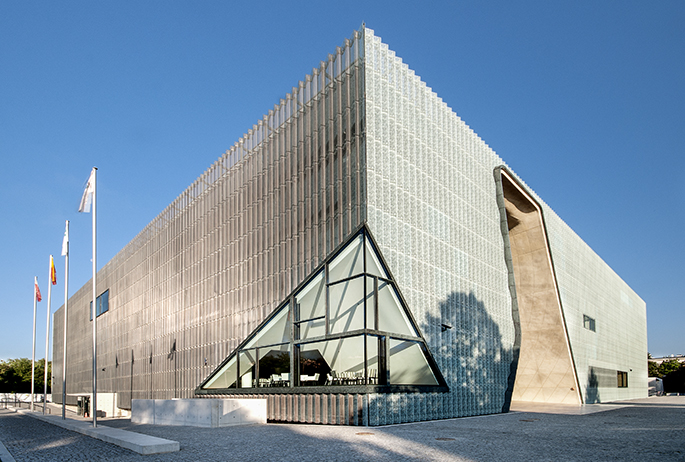
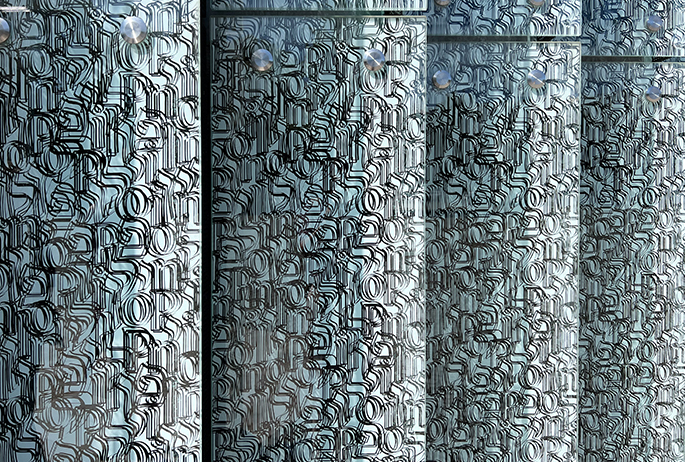
The POLIN Museum building stands on a highly symbolic site in the Muranów neighborhood, which, before the Second World War, was the center of Warsaw’s Jewish community and later part of the Warsaw Ghetto during the German occupation. Designed by the Finnish architectural studio Lahdelma & Mahlamäki, the museum combines restraint and drama in its architectural language. From the outside, the structure appears calm and geometric, clad in copper and glass, while its interior is defined by a dramatic, flowing fissure that cuts through the building. This sculptural void reflects the rupture caused by the Holocaust in the thousand-year history of Polish Jews, an irreversible tearing of history, but not the end. The monumental main hall serves as both the beginning and the conclusion of the visitor’s journey, with an elevated bridge symbolically linking past and future, history and contemporary life. On the museum’s glass façade, the word Polin appears subtly inscribed in Hebrew letters, an architectural gesture that echoes the Hebrew name for Poland.
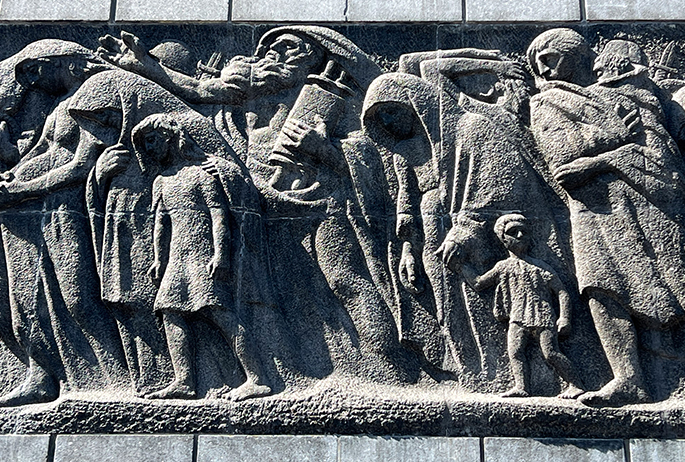
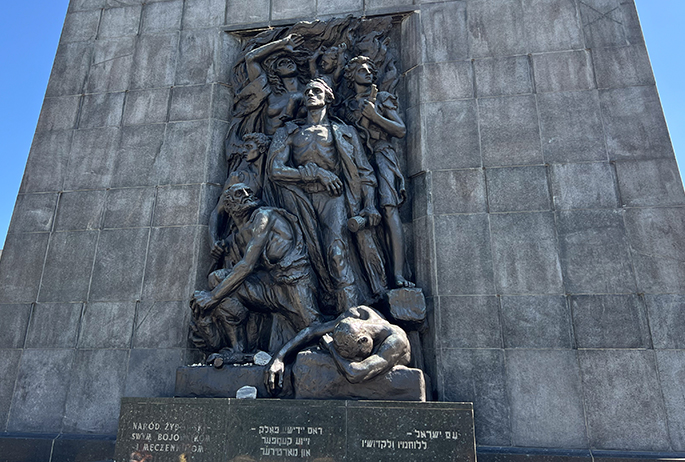
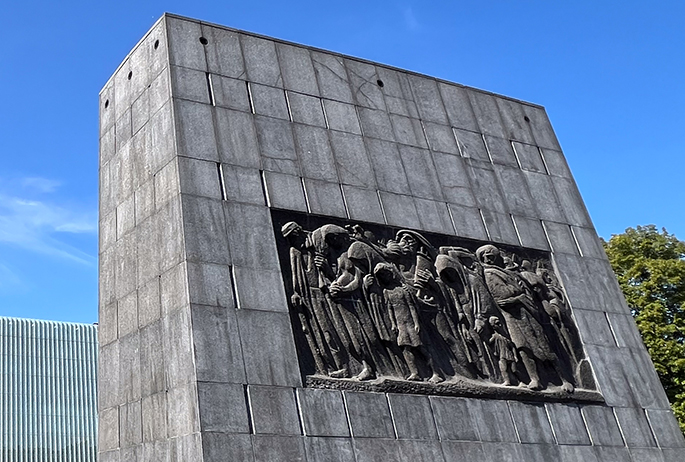
The Monument to the Ghetto Heroes, sculpted by Nathan Rapoport, stands directly opposite the entrance to POLIN Museum and commemorates the Jewish fighters of the Warsaw Ghetto Uprising as well as the Jewish victims of the ghetto. Unveiled in 1948, the monument is set on a wide, stepped granite platform. Rising nearly eight meters, the granite structure features a powerful bronze sculpture depicting the uprising, centered on Mordechai Anielewicz, the young commander of the Jewish Combat Organization who became a symbol of armed Jewish resistance during the 1943 Warsaw Ghetto Uprising. He is shown surrounded by fighters of different ages, exposed and unarmored, clutching improvised weapons. On the reverse side, the monument depicts Jewish men, women, and children being forced out of the ghetto by Nazi German soldiers, facing deportation and death.
In the immediate surroundings of the POLIN Museum, several Holocaust memorials are located within walking distance, situating the museum within a broader commemorative landscape of the former Warsaw Ghetto. Located near the museum, the Jan Karski Bench is a sculptural memorial dedicated to Jan Karski, the Polish resistance courier who informed Allied leaders about the extermination of Jews during the Holocaust. The bronze bench features a seated figure of Karski, inviting visitors to sit beside him, listen, and reflect. A short walk away stands the Umschlagplatz Monument, marking the site from which Jews of the Warsaw Ghetto were deported to the Treblinka extermination camp. Nearby, the Anielewicz Bunker Memorial commemorates the bunker at Miła 18, where leaders of the Jewish Combat Organization, including Mordechai Anielewicz, died during the suppression of the ghetto uprising. Fragments of the former ghetto wall, preserved in the neighborhood, offer tangible traces of the enclosed world that once existed here.
For our comprehensive cultural guide to Warsaw, please refer to the designated link provided.